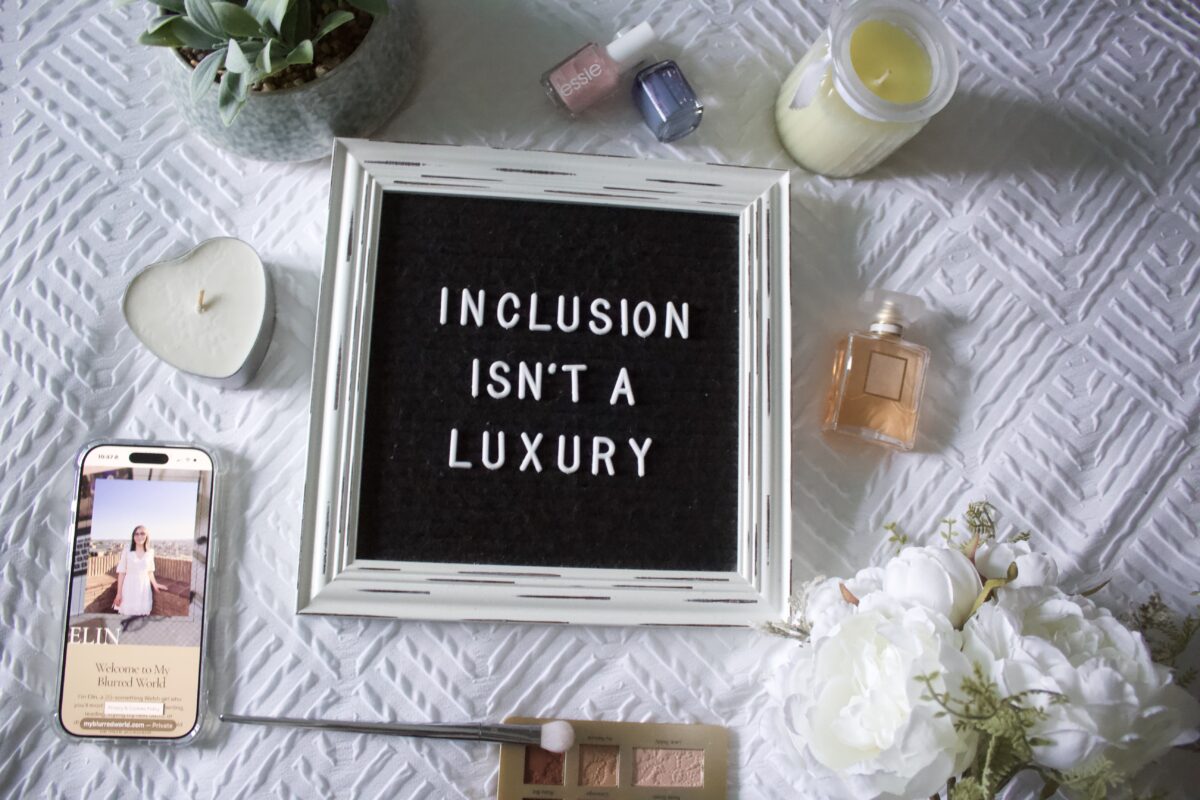
Once again, it’s time to refresh our list of goals for a new year. If you’re scratching your head, wondering which ambitions will actually make it past February and create a tangible difference in the world, then I’ve got you covered.
I’ve said it before, and I’ll say it again: my impairment isn’t the problem, societal barriers are what disable me. And while I’m all for typing out frustrations over inaccessible spaces or the ghostly gaps in systems that should offer assistance, I’m aware that it might not always be clear what concrete actions we can take to remedy the inequalities that are out there.
That’s why I’m here to present 26 actions you can take to make the world more inclusive for disabled people in 2026.
Similar to my entry on accessibility habits everyone should live by from last year, this is by no means an exhaustive list, but I hope it provides some helpful info to get you started.
Unlike those frivolous cliches that fade once January is out, these actions don’t require a new gym kit or a bunch of veggies you can’t stand. The only thing we’re detoxing around here is those pesky disabling barriers.
Let’s dive in, shall we?
1. Learn about the Social Model of Disability
Before you start making changes, it helps to understand what you’re changing.
The Social Model of Disability flips the script and highlights that a person isn’t disabled by their impairment or health condition, but rather the barriers society creates.
For example, if a restaurant has steps but no ramp, the issue isn’t the wheelchair user’s mobility, it’s the lack of accessible design. If a document is only available as a PDF, the barrier isn’t the vision impaired person, it’s the format. And if a video or TV programme lacks captions, the problem lies in the content’s inaccessibility, not the deaf person’s ability to engage.
Understanding this shift in perspective and leading with the social model can help you make decisions that are more inclusive in all areas of life.
On social media, apps and websites
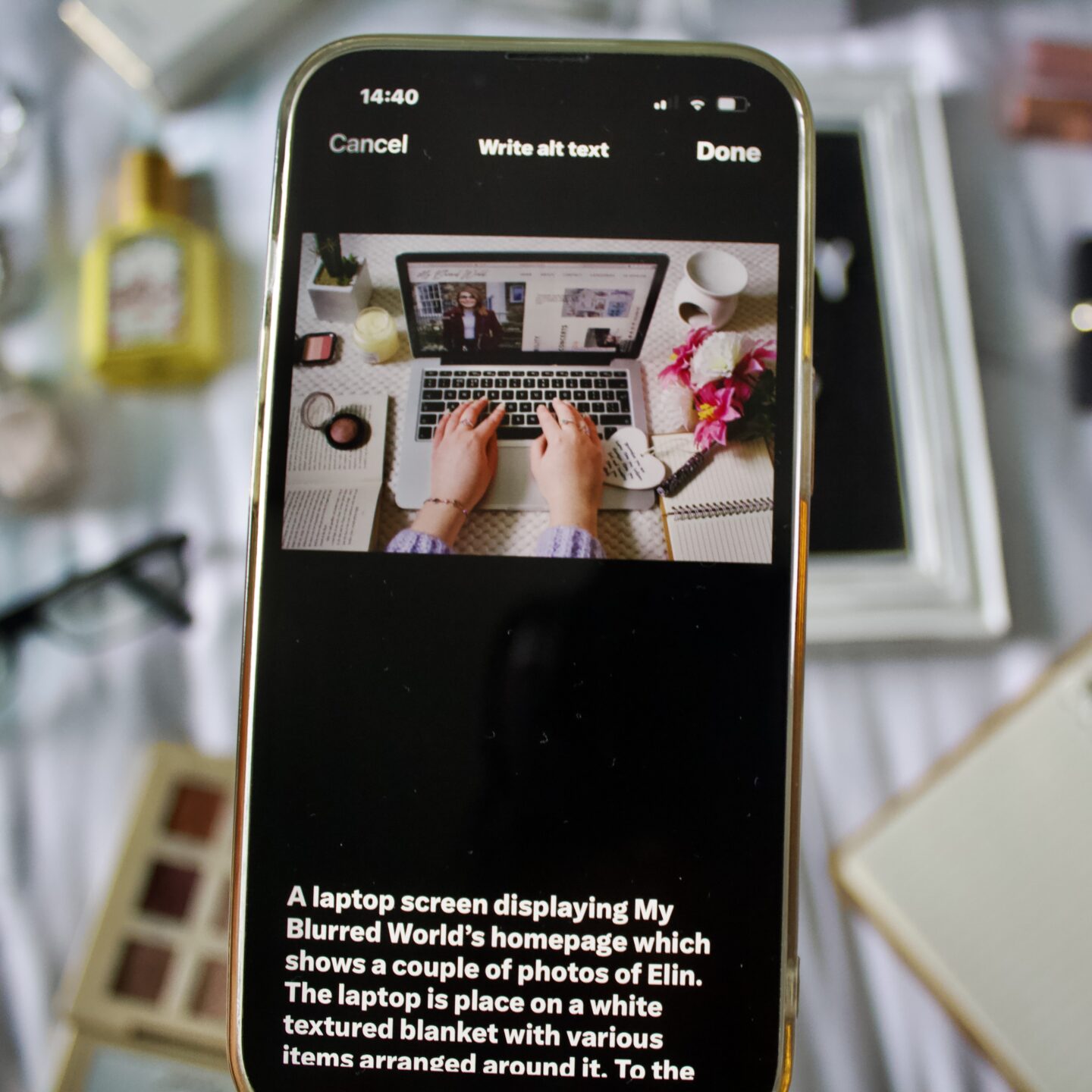
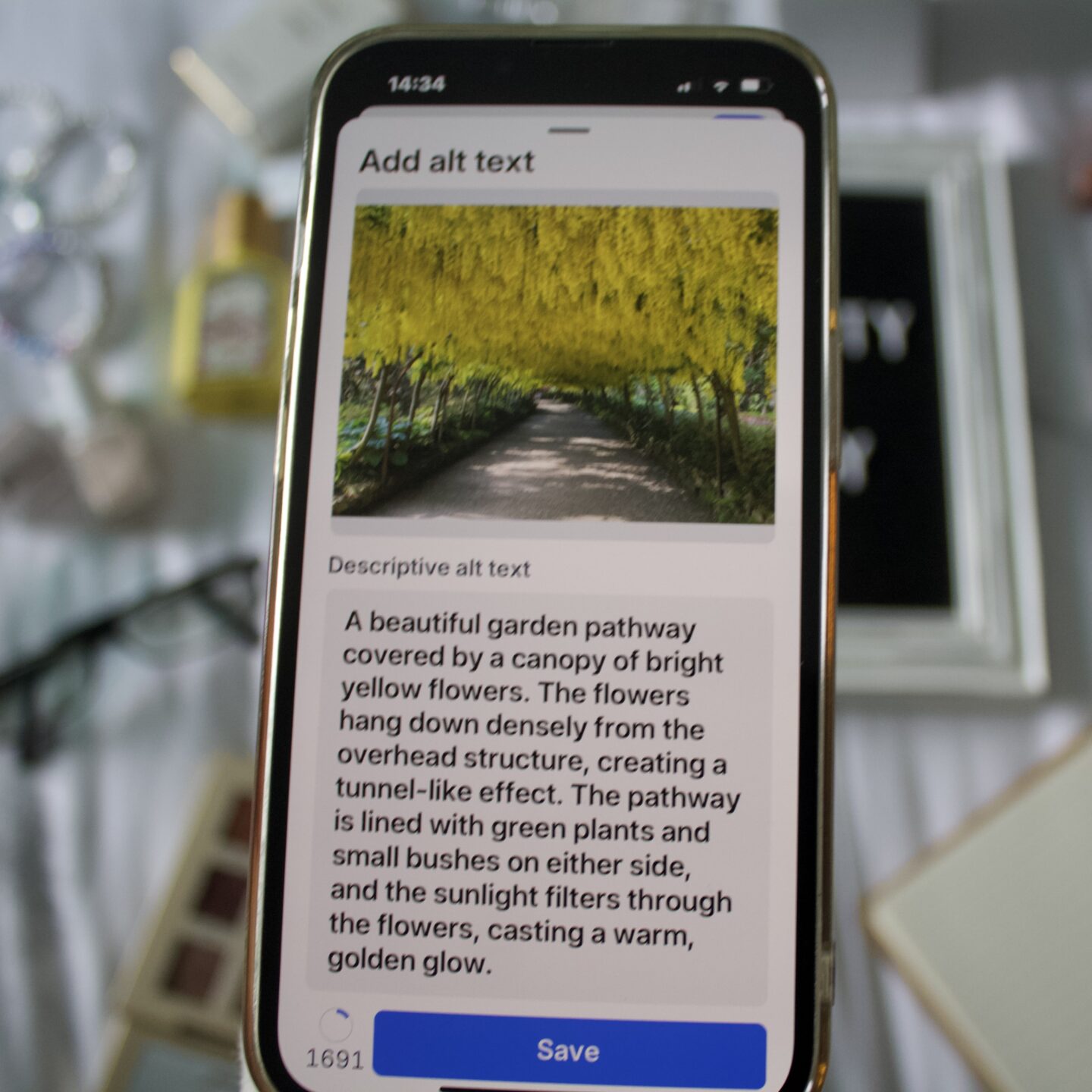
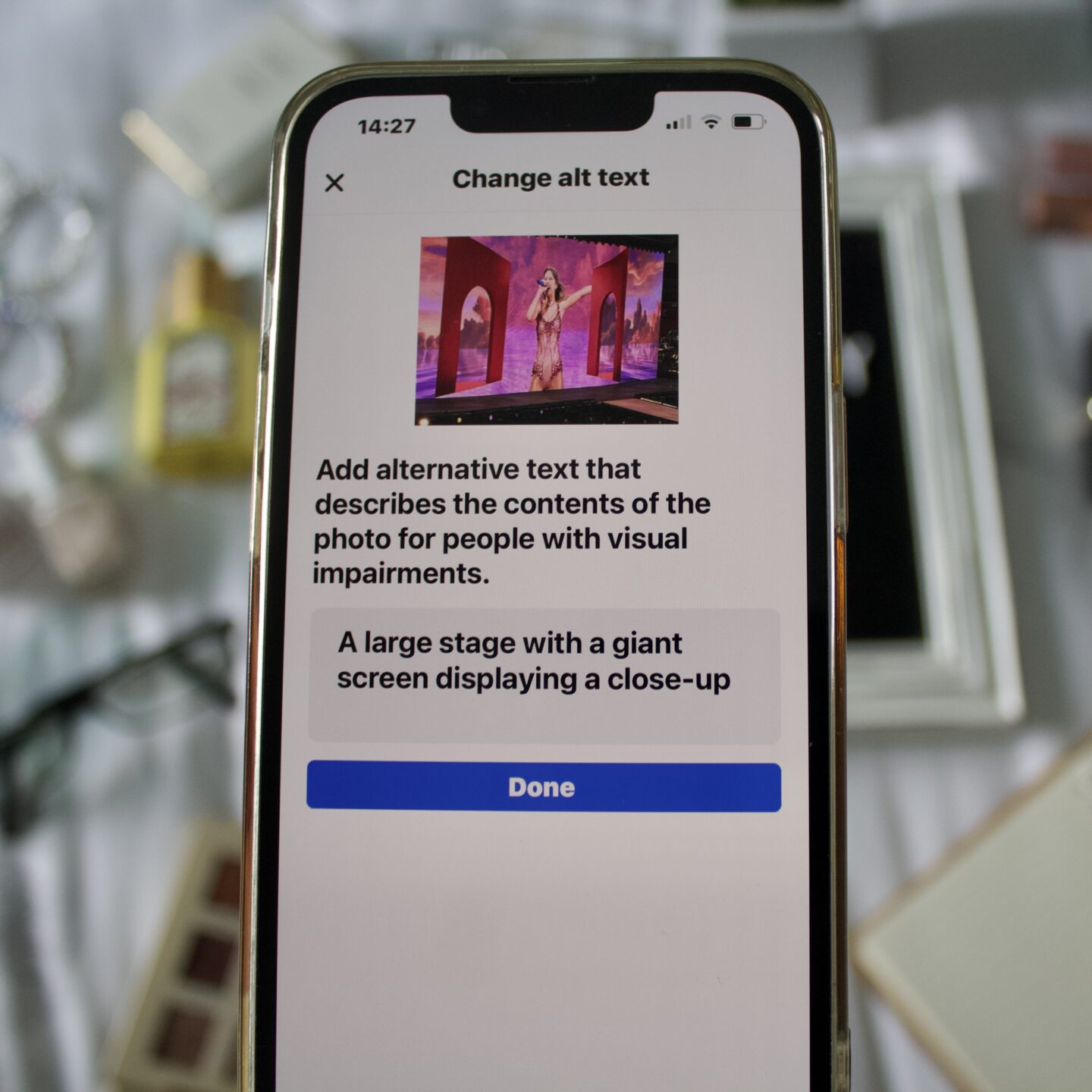
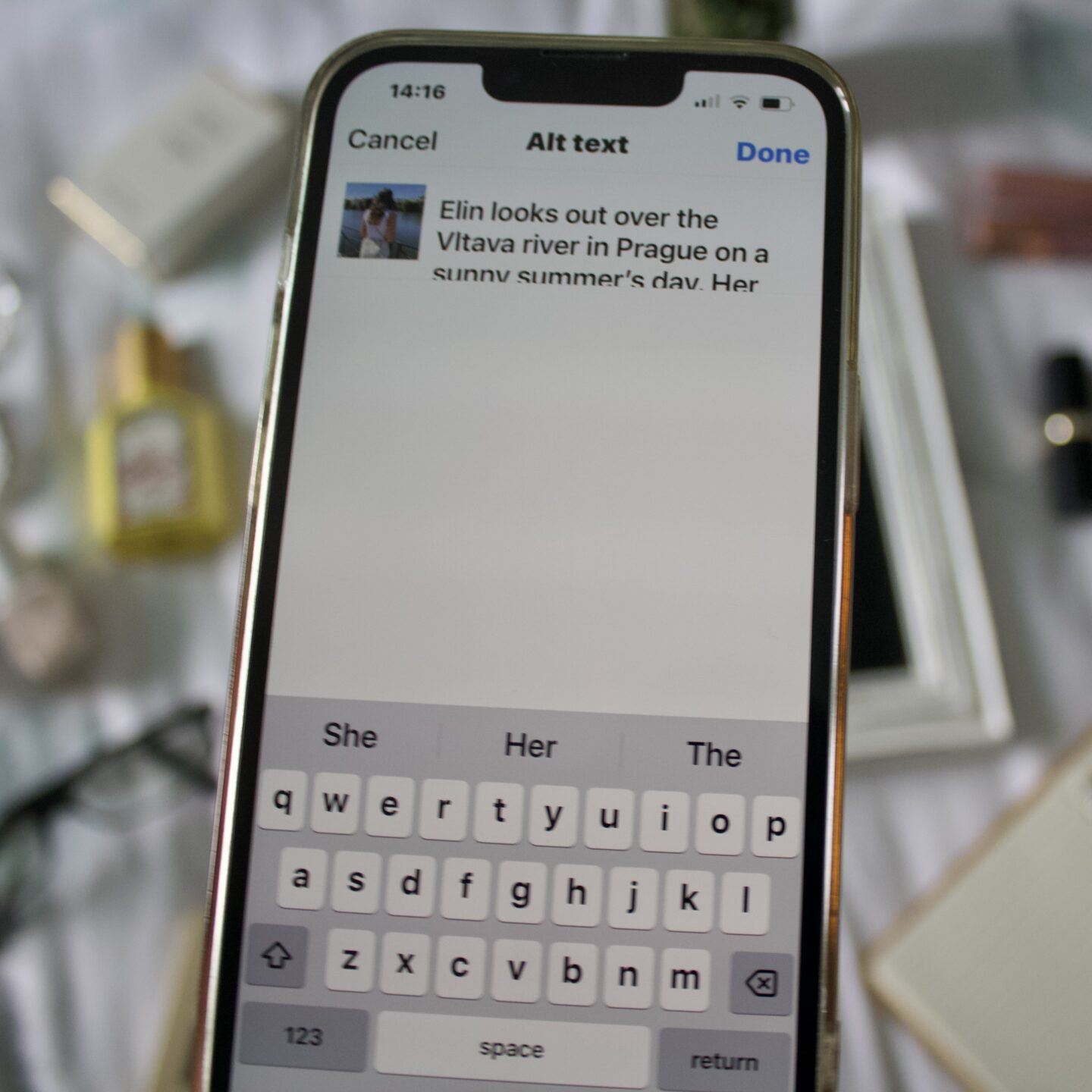
2. Add ALT text image descriptions
Imagine scrolling through your social media feed and every post being completely blank. That’s what it’s like for screen-reader users like me.
You can champion inclusion simply by describing your photos. You don’t have to delve into every detail, but covering the key features makes such a massive difference and means even more people can engage with what you’re sharing. After all, we all want to know how cute your dog is.
3. Label buttons and links
Unlabelled buttons are a plague in the online world, leaving screen-reader users to play a constant guessing game. Are we about to order 40 pizzas or accidentally post a personal message to the work account? Who knows.
By ensuring every button, link, and interactive element is clearly labelled, you cut through the uncertainty and make navigation a whole lot smoother.
In terms of hyperlinks, swapping out vague phrases like ‘click here’ or ‘read more’ for descriptive options like ‘Learn more about accessible design’ or ‘Read my latest blog post’, goes a long way in making your content more accessible and helping people find exactly what they need.
4. Audio-led videos / video descriptions
Pretty montages with trending audio might be fun to create and share, but they’re a red flag in terms of accessibility. Adding a voiceover or popping a video description in the caption or comments helps to give context.
You can get creative when putting your voice to the video as well. Audio description should be dynamic and engaging and must be a foundation in any creative process.
5. Caption your videos
Captions are versatile in terms of their impact for inclusivity. They make content more accessible for deaf people whilst also helping with comprehension, language learning and those moments when you want to keep the volume low.
By captioning your videos, you ensure your content speaks to everyone.
6. Camel case hashtags
#thisaninaccessiblehashtag #ThisIsAnAccessibleHashtag
Notice the difference in terms of the readability of these hashtags? For screen-reader users, the first reads like gobbledygook and it’s also not the most readable visually.
Capitalising the first letter of every word fixes the issue, making hashtags much easier to decipher for everyone.
7. Avoid fancy fonts
Swirly typography might look pretty or feel expressive but it often sacrifices legibility for ‘aesthetics’.
Opt for a clean, sans-serif font instead. It’s easy to read and still stylish.
8. Use heading levels
Bold text and larger font sizes may seem like enough to emphasise key sections, but true accessibility lies in using proper heading levels. This allows screen-reader users to navigate your content with ease, affording us the opportunity to jump between sections instead of trudging through scrawls of text.
Think of headings as signposts. They help everyone find their way faster and easier.
In conversation
9. Speak directly to a disabled person
I’ve lost count of how many times people have directed a question about me to the person at my side. Even now, as someone in their late twenties, I come across people who dismiss my ability to speak for myself.
Direct communication is a basic form of respect which acknowledges a person’s autonomy and agency.
10. Learn about inclusive language
Language evolves, and so should we. Inclusive language isn’t about perfection, it’s about intention and willingness to adapt.
If you get it wrong, listen. If you’re corrected, take it as an opportunity to learn. And if you’re hesitant, please ask. This helps to reduce stigma and respect people’s preferences.
11. Ditch the awkwardness
Disability doesn’t require hushed tones or tiptoeing. Awkwardness usually stems from fear of saying the wrong thing, but silence and avoidance are often more uncomfortable than a genuine question.
You don’t need to alter how you speak, act or behave when engaging with a disabled person.
12. Ask meaningful questions
As a vision impaired person, I’m often quizzed like I’m part of some weird game show.
“How much can you see?”
“Do you know who I am?”
“How do you dress yourself in the morning?”
This is far from The Chase standard, I’m telling you. These questions aren’t just fickle, they can be intrusive and reductive.
Instead, ask questions that lead to real understanding, like:
“What barriers do you face?”
“How can I make this situation more accessible for you?” or
“How can I help?”
These are the questions that show you respect disabled people’s experiences and are genuinely invested in being inclusive.
In the workplace
13. Disability Equality Training
Training shouldn’t be a tick-box exercise or a once-and-done slideshow. Good Disability Equality Training (DET) is ongoing, practical, and rooted in lived experience.
DET isn’t just about knowing what disability is, it’s about understanding how to dismantle the barriers that exist, whether physical, attitudinal, or environmental.
Making Disability Equality Training a core part of your workplace learning empowers you to see how disability is not a personal shortcoming but a consequence of exclusion. It challenges assumptions and encourages concrete actions that lead to real, lasting change in the office and beyond.
14. Reframe the question
Instead of asking, “How does your condition impact your ability to do the job?” ask, “What barriers do you face and how can we remove them?”
That subtle reframe moves responsibility away from the individual and back onto systems, where it belongs. It also shows disabled candidates and employees that you’re serious about creating an inclusive workplace and that they will be welcomed without fear of having to fight to be.
15. Champion reasonable adjustments
Reasonable adjustments aren’t luxuries or special treatment. They’re the tools that allow disabled people to contribute on an equal footing.
When you normalise adjustments, you make workspaces more flexible, accessible, and ultimately more productive.
Out and about
16. Don’t assume a disabled person needs help
Help should never be imposed. Always ask before stepping in and be prepared to accept a no.
Autonomy matters, even when intentions are good.
17. Remove physical obstacles
Overgrown hedges, pavement parking, and poorly placed signs turn everyday outings into obstacle courses and are often dangerous.
Accessibility starts with noticing what blocks the way and making a conscious effort to remove them.
18. Encourage and champion co-production
Including disabled people in the planning, design, or restructuring process from the get-go shows you’re prioritising accessibility, not just retrofitting it later.
Disabled people deserve more than consultation, we must be part of every stage of the process. Ongoing collaboration and representation matter, and don’t forget to pay us for our time and expertise.
19. Always expect disabled people to show up
Whether you’re planning an event, a meeting, or making changes in a public space, assume disabled people will be there, because we are.
Designing with that expectation changes everything and means you won’t hit the panic button when we arrive. Plan for our presence, don’t react to it.
20. Be an ally, not a spectator
Allyship isn’t passive. It means speaking up when access is denied, challenging harmful behaviour, and using your voice when others are tired of shouting.
Disabled people fight daily for our rights. By stepping up as an ally, even with small actions, you help take some of that weight off our shoulders.
And finally
21. Encourage better and more positive representation
Disabled people deserve to be seen as whole, complex, joyful, flawed humans, not just as inspiration or tragedy.
Representation shapes expectation and aids in eroding stereotypes and stigma.
We also deserve to be recognised as experts in more than our conditions. Invite us on your football podcast, nominate us for that fashion award, ask us to lead that cooking class, it all matters.
22. Respect people’s autonomy and independence
Independence doesn’t look the same for everyone, and that’s okay. Respecting autonomy means honouring how someone chooses to live, move, communicate, or receive support.
Choice is key.
23. Make accessibility a priority
When accessibility isn’t baked into what you’re creating or sharing, it sends the message that disabled people weren’t considered.
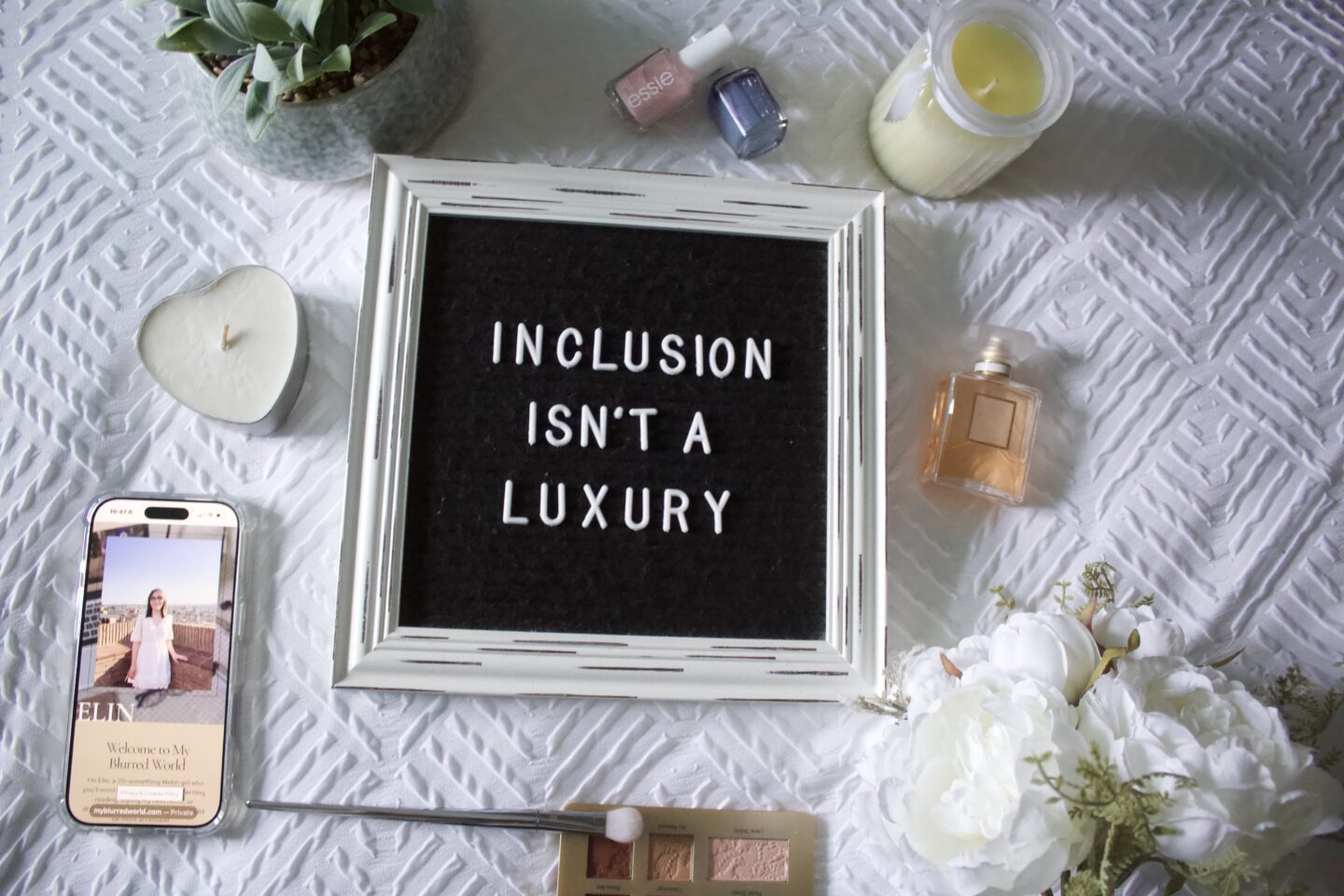
We deserve to show up with the expectation that we’ll be included, not with the worry that we’ll have to ask to be. Inclusion isn’t an upgrade and accessibility isn’t a luxury, they’re our rights.
When you champion those rights, you create more meaningful, welcoming and engaging spaces.
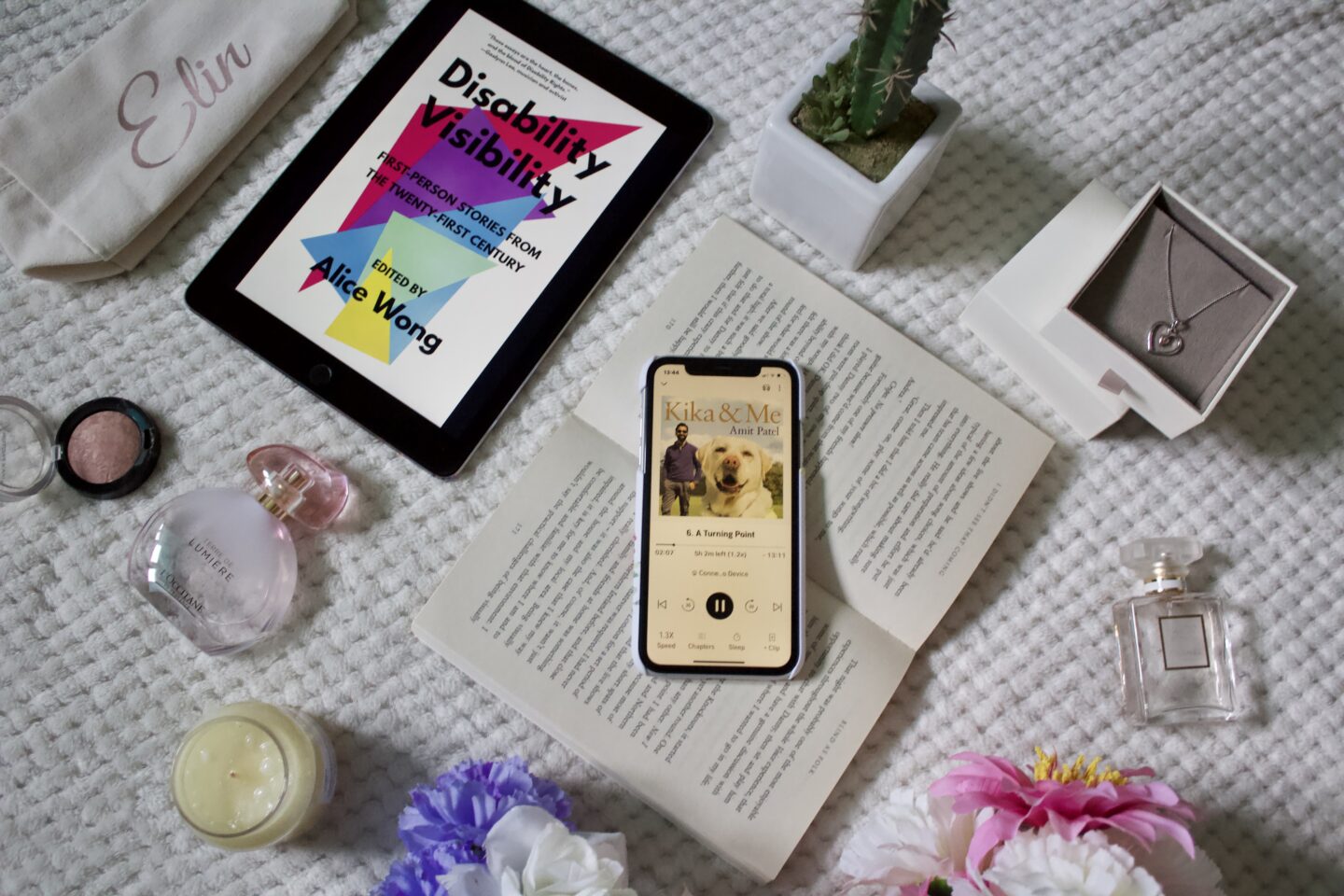
24. Read, watch, engage with disabled people
Follow, engage with and consume content created by disabled writers, artists, activists and thinkers. Let their work challenge and expand your understanding beyond stereotypes and assumptions.
25. Unlearn ableist language and practices
For too long, people have been trained by stereotypes they’ve never been asked to examine, allowing ableism to hide in plain sight: in phrases that have never been questioned, jokes that have been normalised, and assumptions that have been absorbed.
Unlearning these harmful practices is essential if we want a world where disabled people aren’t dismissed, laughed at, or scoffed at, but welcomed and included in society.
26. Continue your learning
Inclusion isn’t a destination; It’s an ongoing practice that evolves as language, technology, and understanding change.
Stay curious, open and keep going. Challenge your assumptions, actively listen to disabled people’s voices, and take responsibility for making change.
Inclusion is all about championing accessibility, breaking down barriers, and doing better every day.
*
And breathe!
I appreciate that a long list like this can be a lot to take in, but every effort we make to create a more inclusive society is a step closer to the world we all deserve.
Inclusion isn’t a box to tick off, it’s a muscle we need to exercise every single day. Whether you’re at home, work, or out and about, the little things you do can have a huge impact on someone else’s experience.
Remember, you don’t have to do everything all at once. Start small, take it one action at a time, and build from there. Every step you take matters. It’s not about being perfect, it’s about being proactive.
I can’t emphasise enough that accessibility and inclusion are human rights, not privileges. It’s vital that everyone plays a part in ensuring that they become the norm, not the exception.
Let’s make 2026 the year where that becomes reality.
As always, I’m curious to hear from fellow disabled people: are there any actions you would add to this list? What does inclusion look like for you? I’d like to think that the world is more open to change these days, but we need to keep the conversation going.
The more people hear about inclusion and the steps they can take to achieve it, the harder it is to ignore. Everyone deserves to live in a world where they don’t have to fight to be heard, question their sense of belonging, or be denied their independence. The more who honour that, the better.
To non-disabled people: While these actions might not make a difference in your life, remember that they’ll make someone else feel included. And in my eyes, that’s healthier than any gym session.
Elin x
Share this:

Discover more from My Blurred World
Subscribe to get the latest posts sent to your email.
You May Also Like

The Comments
Andy Nichols
One should treat others as they would want to be treated if they were in the disabled one’s shoes.
I have limited hearing in one ear, I often let people know at the start of a conversation. Some speak quieter (as does my neighbour – so I do it back and tell him he’s going deaf. He doesn’t like that or learn). Others understand and speak up and slightly slower. It makes so much difference.
TV companies need to be more helpful. Often the programmes have background music which drowns out the speech. The intro to Questiontime being a good example.
Patricia Ahern
Thank you for this helpful and well-organized list. I hope you can send it around to teachers, employers, web and internet workers. I wish you a joyful New Year. Peace, Patricia Ahern
Patsy
Brilliant comprehensive list, just hope people make more effort to put it into practice.
It should be “normal” not something to hope for in the future!
Empish
Another great post! Sharing on my socials.