Last year, social media was flooded with people sharing the moment they met their younger selves for coffee. The trend was hard to escape, with many unable to resist the catharsis that came with sitting down for a virtual chat with the person they used to be, offering advice, comfort, and reflection.
I started penning my own script at the time, but trends disappear as quickly as they arrive, and as words failed me, I realised that instead of being late to the party, I’d simply never shown up.
Over the past few months, though, I’ve found myself indulging in a little reflection of my own, and I quite fancy doing my own take on the idea of chatting with fourteen-year-old Elin.
I’ve written to my younger self on here before, but as I sit and mull over my current thoughts and feelings about certain aspects of my life, I think it might be interesting to hear her take on things too. There are two sides to every story, after all.
This isn’t just about what I’d like to tell her. It’s about the parts of her I can still see in myself, the things she wouldn’t yet have known but I wish I could instil in her, and perhaps, selfishly, an opportunity to remind myself of the things I’ve learned along the way.
My hope, as always, is that my words might also speak to fellow vision impaired people and help them feel a little less alone.
So grab your coffee, your tea, or a hot chocolate like me, and let’s take a trip down memory lane.
I step into my childhood bedroom, the one that’s still my own, but with a few changes now.
A cloud of Taylor Swift’s Wonderstruck perfume permeates the air, the nostalgia clinging to me as I make my way through what feels like a much larger space, a single bed bracketing one of the walls, and a shoe collection that’s yet to outgrow the rack it’s homed on.
The bright pink of her Everton hoodie gives away her presence in front of the mirror I no longer look into. I don’t have to see her actions to know that she’s experimenting with another hairstyle, her gloved hand carefully twisting strands of her long locks around the curling wand I still use to this day.
I’m here to offer her some advice, but I feel as though I should take a leaf out of her book as I trace the small scars that tattoo my fingers, wondering where on earth I put that glove.
‘Wait for a second,’ I gently warn in our mother-tongue as a sizzling sound pierces the silence, signalling her haste to start styling before the heat protectant has had time to settle.
She pauses her efforts and shuffles in her chair to face me. I know her mind will be full of questions, but I’m not surprised when the first one she asks is: ‘Have Everton won a trophy yet?’
‘I’m not giving you any spoilers,’ I joke, my lips curling into a smile as she huffs.
’That means we haven’t.’
I don’t have the heart to tell her she’s right or that things will get worse before they get better for her beloved team.
‘No matter what happens, remember to always hold onto the things you love,’ I encourage, thinking about the time in my life when I pushed some of my passions aside.
‘That’s a bit deep,’ she retorts, returning to her task. I roll my eyes and cross my legs beneath me on the small bed, thinking about how ironic it is that a piece of furniture could represent how much space one might feel like they’re allowed to occupy in the world.
After sharing a few hairstyling tips with her, I feel the space around me, knowing that her schoolwork will be sprawled out on the end of her bed.
‘French braille,’ I muse, tracing my fingers along the raised dots that embellish the paper.
‘Ugh, it’s like learning two languages,’ she groans and I nod, remembering how the deterioration she’s currently facing forced her to swap her large print materials for the tactile code right on the cusp of her GCSE exams. I let out a breath, thinking about the mental and physical energy it claimed.
‘You’ve got this,’ I assure her, returning my fingers to the top of the page as I try to remember what the contractions mean, but they all evade me now.
‘I know,’ she replies, her confident tone punctuated by her curling wand being set down on the placemat that acts as a guard between the heat and the wooden surface.
I’m not surprised by her conviction because if there’s one thing this girl never doubts, it’s her work rate. But I’m all too familiar with how her penchant for wanting to succeed can manifest as far too much pressure at times, so I warn her against running herself into the ground, fully aware that my words will be heard but perhaps not listened to.
The french book I’ve now abandoned sits on top of a shrine of other schoolwork and I move it aside to reveal pages stained with black ink. I can’t make out any of the words, just as I know my younger self can’t either.
She joins me on the bed after veiling her hair, and maybe the entire room, in hairspray. I cough as she settles herself into the juncture of the wall, and I can hear her fussing with her hoodie, tugging at the hem as if she can hide herself in its folds.
I know she’s at odds with the concept of invisibility right now; craving and rejecting it in equal measure. She wants nothing more than for people to stop casting her aside, but she feels as though she has to shrink her access requirements in order to fit in.
‘Someone was laughing at my work,’ she says, having caught onto the fact I’ve discovered the evidence that she’s not as comfortable with accessibility as she claims to be. ‘The text is just too big on my laptop now, everyone can see it and it just makes everything so… so obvious.’
‘I get you, but It’s not worth feeling uncomfortable in your own life to try to fit into other people’s world,’ I speak the words I’m desperate for her to hold on to.
I know the stream of self-doubt that flows through her mind, and how the pressure to fit in, to hide, to ‘stay strong’ in the face of adversity can drown her sense of self at times.
‘I wish it wasn’t like this,’ she confesses. ‘I feel lonely, like I’m disappearing.’ Her quiet voice softens the sharp edges of that statement.
I pause because the hardest part of this conversation is the truth I know she’s just beginning to face: the slow loss, the moments when it feels like the world is slipping away from her, not just in blurry images, but in small, sudden gaps.
But I also know that despite how much she’s reckoning with the deterioration right now, it’s the misconceptions, the negative attitudes, and the misunderstanding that she wishes would go away.
‘I know a little something about that,’ I muse, wishing I could reach across and wrap her in the kind of reassurance she needs. But the truth is, even now, I still feel the weight of that same loneliness. It doesn’t retreat, not really. It shifts, it softens with time, but it’s always there, lingering in the spaces that aren’t accessible, and breathing in the stereotype-fuelled attitudes.
‘Do you still feel it?’ She wonders.
‘Sometimes,’ I confess. ‘But it’s a little different now.’
‘Great,’ she mutters, her voice laced with sarcasm.
I smile a small smile. ‘But it doesn’t mean you’re alone or that you’re not enough. It just means you’re finding your way, and that takes time.’
‘It must be a really long road if you’re still on it,’ she tests her humour. .
‘You’re full of the joys, aren’t you?’ I throw back before continuing. ‘But honestly? I don’t think it ends, I’ve just taken a few different turns along the way.’
‘Okay, this is all a bit too spiritual now.’ She gets up from the bed and returns to her hairstyling perch, intent on twisting the curls into a fancy up-do, I imagine.
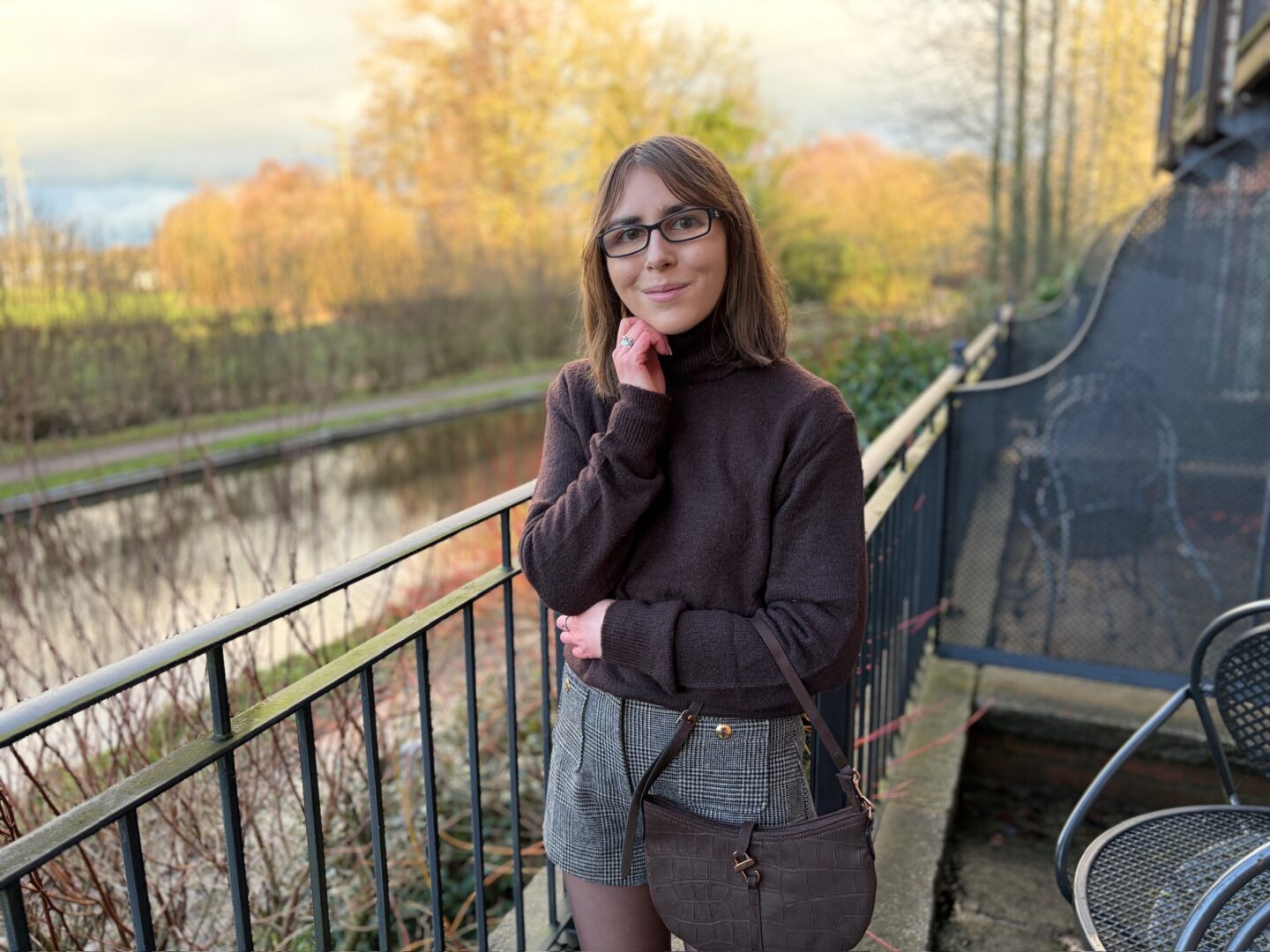
‘Just remember that that loneliness won’t go away by trying to change who you are or what you need to fit in,’ I move to occupy the corner she’s vacated. ‘It’s not about trying to be what everyone expects you to be, or even fighting that idea, it’s about showing up as who you are, even when you’re not sure who or what that looks like.’
‘Literally.’ She rummages around in her box of bobby pins as she taps into that sarcastic humour again which has always been a helpful deflection, a form of armour when she needs it.
‘Hiding away won’t fix things, Els,’ I stand firm in my need to get this message through to her. ‘Your worth isn’t and will never be tied to how well you can hide your needs, suppress your emotions, or use sarcasm to deflect, although that last one can be pretty impressive. Don’t sacrifice your own access requirements to try to prove anything to non-disabled people, okay?’
She’s still for a moment, and in that silence, I can almost feel the space between us growing, stretching out like a tightrope that she’s learning to walk, though she doesn’t know yet how strong her balance is, figuratively, not literally, have I ever mentioned how tricky keeping your balance can be as a vision impaired person?
‘And do me a favour, look up the Social Model of Disability.’ I’m monologuing at this point, but I wish I’d known about this sooner. I want her to move away from thinking that she’s the problem, and that her impairment is the cause of the isolation she feels, when, in reality, it’s a symptom of societal exclusion.
Reading this in black and white and hearing other disabled people talking about the concept will be a propelling force forward in her journey to eradicating self-blame from her mind, and will help create a blank canvas in which to spill new ideas and new beliefs on to, to see what sticks and what doesn’t.
‘I will,’ she promises, and I believe her because if there’s one thing I can count on, it’s my younger self’s eagerness to learn new things.
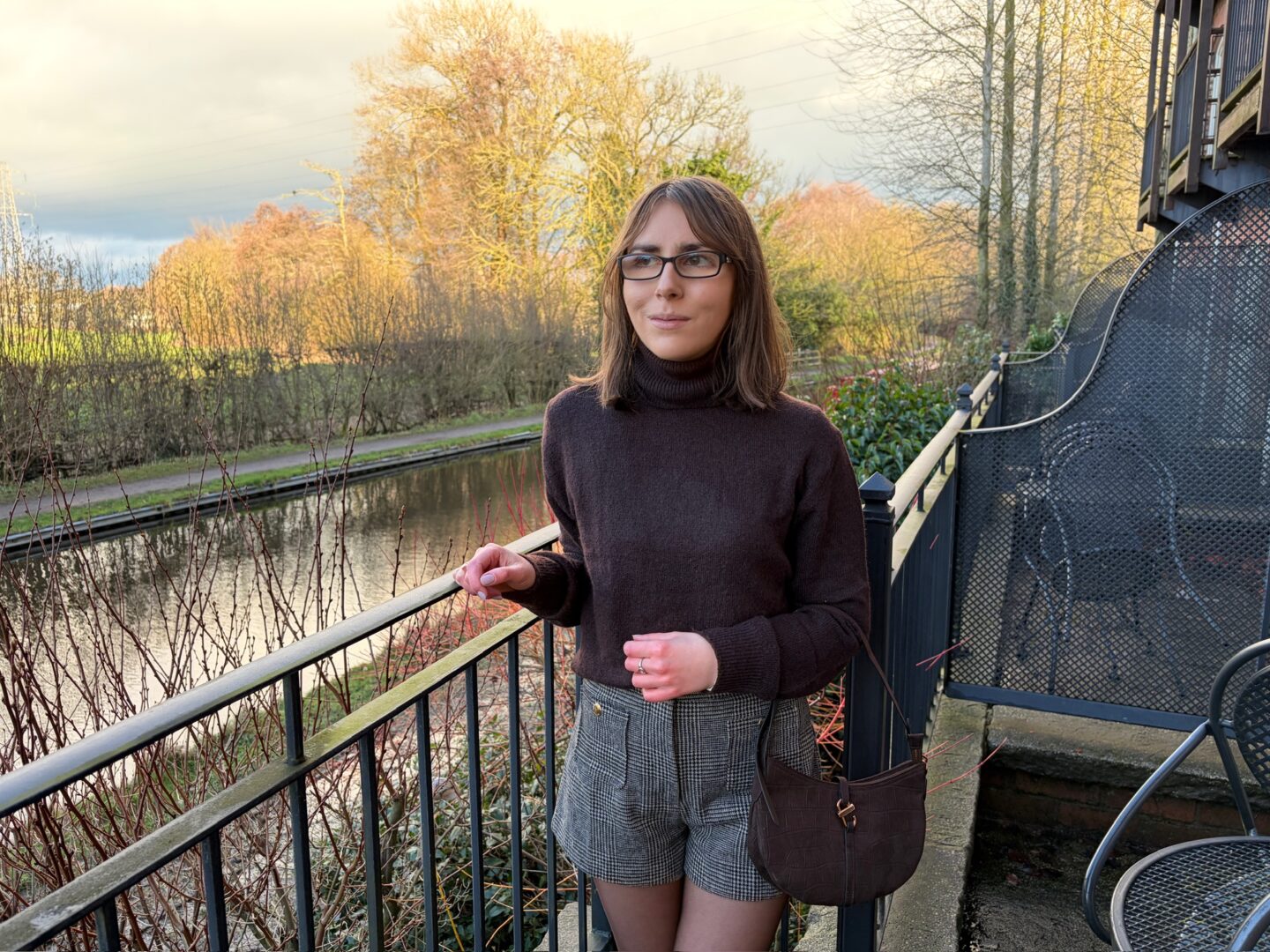
‘Can I ask you something?’ She ventures, spraying another cloud of hairspray around her head.
‘Anything,’ I encourage.
‘What do you think of the cane?’ There’s a slight hesitancy in her voice.
I wondered when that question would come, knowing that training with the mobility aid has been suggested a few times at this point in her life.
‘Let’s just say I’ve had a love/hate relationship with it,’ I reply.
‘What do you mean?’ She twists in her chair to face me again. ‘I can’t love it. How can I when it’s another thing for people to laugh at me for?’
There’s that fear of perception again, but I smile because I know she’ll be writing a blog post about embracing her cane a few years from now.
‘Okay, well love might be too strong a word, but it does help and again, it’s another case of trying not to let other people’s opinions dictate how you live your life.’
‘I’m not sure I like this introspective version of you,’ she quips, but I know it’s another attempt to deflect, to turn the conversation away from something that might invalidate what she’s feeling right now. But she journals every day, of course she likes this introspective version of me, she sparked it.
I’m not going to encourage her to pick up the mobility aid any sooner than I did, nor do I want to completely sanitise her mind of all the doubts she has when it comes to independence because I know she’ll have to face those feelings and make decisions in her own time. But a gentle nudge in the right direction can’t hurt.
‘Charming,’ I throw back as I brush my fingers through my own, much shorter, hair. ‘You asked the question, though, and I’ll be real with you, there’s been a lot of internal chaos up here because of the cane over the years,’ I point to my head. ‘It’s rough, but imagine being able to go out on your own and being able to walk a little more confidently because you’re not worrying if there’s something in front of you. There’s a lot going on right now so you don’t have to say yes yet, but when you’re ready, it will be worth it. Just make sure you invest in a no jab cane, okay? Trust me, your stomach will thank you.’
She laughs at that. I know she’ll flit between ‘Yes, let’s do this!’ And ‘You won’t see me dead with that thing.’ when it comes to her cane, but I know she’ll pick it up at the right moment. There’s so much she’s yet to unearth when it comes to her independence and finding her identity, but I know she’ll get there.
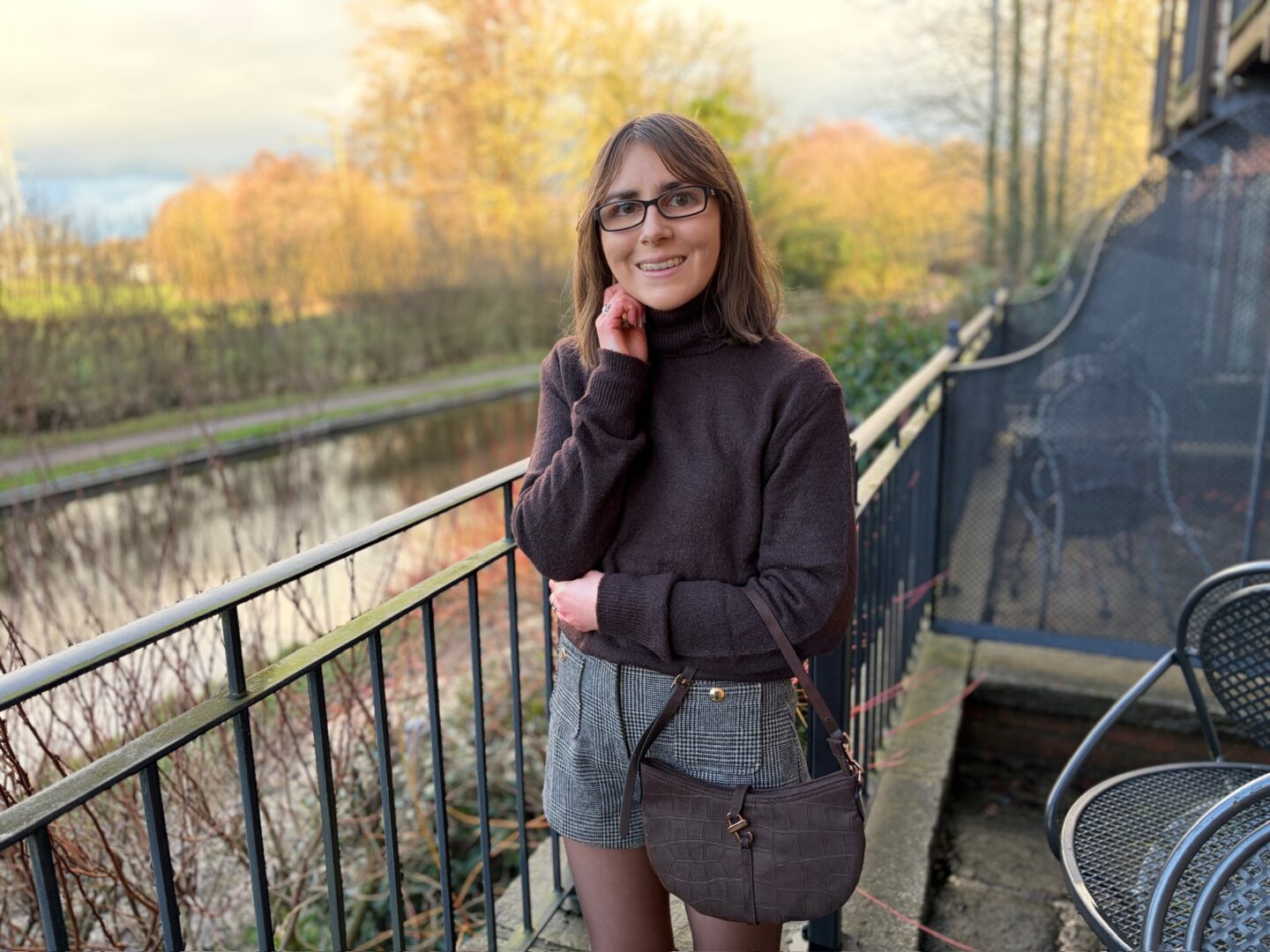
‘The trick is to learn to embrace the process, to accept the good, the bad and all the messy bits in-between, and in the end you’ll always find your way.’
‘It won’t help me on the farm though,’ she says quietly. returning to the bed and placing her schoolwork on her lap.
That hurts my heart a little as I think about how sight loss can feel as though it’s stealing parts of you at times. I remember how it will make her feel like a side character in her own life, replaying scenes in her head of when she’d swan about the place without a care in the world, and comparing it to the hesitancy that now guides her steps. A slower pace that’s characterised by the onset of her chronic illness, too, but I know she won’t be wanting to speak about that yet.
‘It’s rubbish, I know,’ I reach out and almost touch her.
‘I’m still going out there after this though,’ there’s that determination of hers I recognise, cutting off the need for me to bestow any kind of wisdom when it comes to the topic.
‘Oh, I wouldn’t expect anything less,’ I smile, thinking about how she’ll return to the house later with hay threading through her carefully styled hair. ‘I should let you go, then,’ I continue.
‘Not this deepness again,’ she groans. ‘I’m still a part of you, even if this changes how I go about things, it doesn’t erase me from your experience.’
‘I meant literally, I should let you get outside,’ I chuckle and think about how sparks of her introspectiveness flickered in her even then.
‘Oh, well then, yeah, thanks, I’d like to go feed the lambs.’ She moves towards her drawers to take out her more worn in clothes. I spy the deep purple of the top she picks out when she sets it against the white of her bedsheets, and try to decide if it’s a good or a bad thing that I still wear that same item for my dog walks now.
‘Hey, thank you for being so honest with me today,’ I pause her efforts to get changed. I feel quite surprised by how open she’s been about her emotions, but then again, I think she might have been better at that back then than I am now. Despite her dismissal of her own access needs at times, internalised ableism hasn’t yet grabbed hold of her with its full force, and I hope this conversation will help her bat its callused hand away.
‘You can thank me by telling me if we make Europe this year?’ She makes one last-ditch attempt to find out Everton’s fate.
‘My lips are sealed,’ I stand firm.
‘Spoil sport,’ she jokes.
It’s my turn to stand now but I don’t leave the room before asking her to be kind with herself, knowing how much change is ahead in so many aspects of her life.
‘Don’t worry,’ she says. ‘I’ll be fine.’
I smile at that because it’s a sentiment I still repeat to this day whenever anyone else pleads with me to do the same.
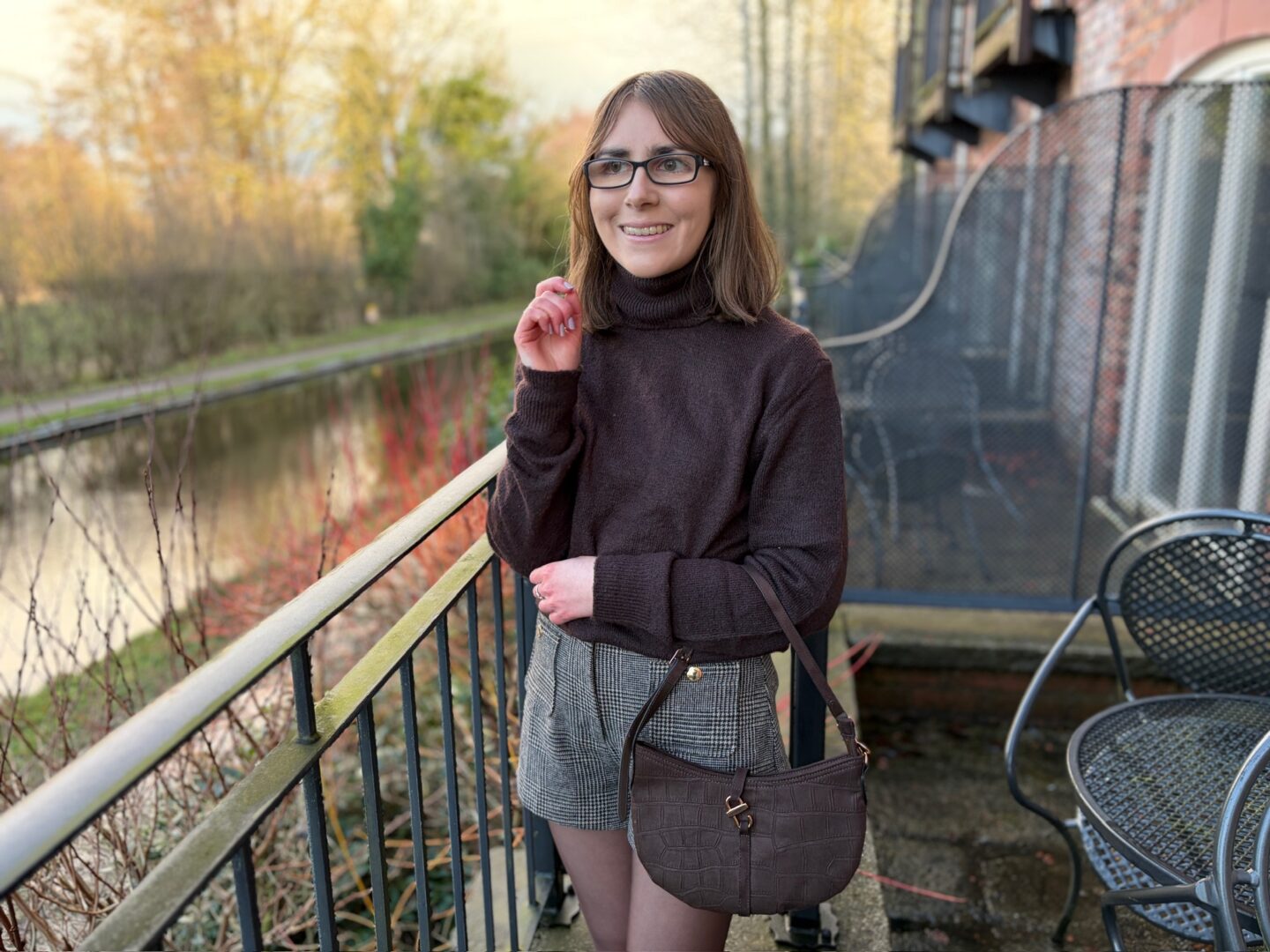
There’s so much I haven’t told her, so many questions she probably hasn’t asked about friendships, health, beauty, fashion and identity. I want to turn back and tell her that belonging isn’t a rigid concept, that she already knows some of her people and that there’s others she’s yet to meet, that she’ll find her voice through writing, and it will give her confidence she never thought possible.
But meeting her today has assured me that she’s on the right track to figuring all of that out.
As I close the door, I know she’ll hear my retreating footsteps on the creaky floor, impossible not to, and soon, she’ll follow. As for me? I’m stepping towards who I’m becoming, too.
How would a conversation with your younger self go? For me, this was all about dampening the embers of internalised ableism that were lit around this time in my life, in the hope that my younger self wouldn’t sacrifice her access needs in the same way.
I’ve long recognised the importance of self-care and putting my own needs first, but I spent years doing everything else instead. Only recently have I understood how unhealthy that was, especially when society already presents so many barriers to disabled people’s participation.
So this was my plea to younger Elin to nurture her access requirements, her independence, and her voice, and embrace the process of figuring herself out.
I have a feeling she’ll listen and will be writing about it all herself one day.
Elin x
Share this:

Discover more from My Blurred World
Subscribe to get the latest posts sent to your email.
You May Also Like
The Comments
Malcolm Short
A wonderful read thanks for sharing Elin 👏🏻👏🏻❤️❤️
Elin
Malcolm ShortThank you for reading!
Patsy
A brilliant piece of writing with lessons for us all.
Elin
PatsyThank you Patsy 🙂
Holly
So proud of you for writing this. It’ll help lots of people xxx