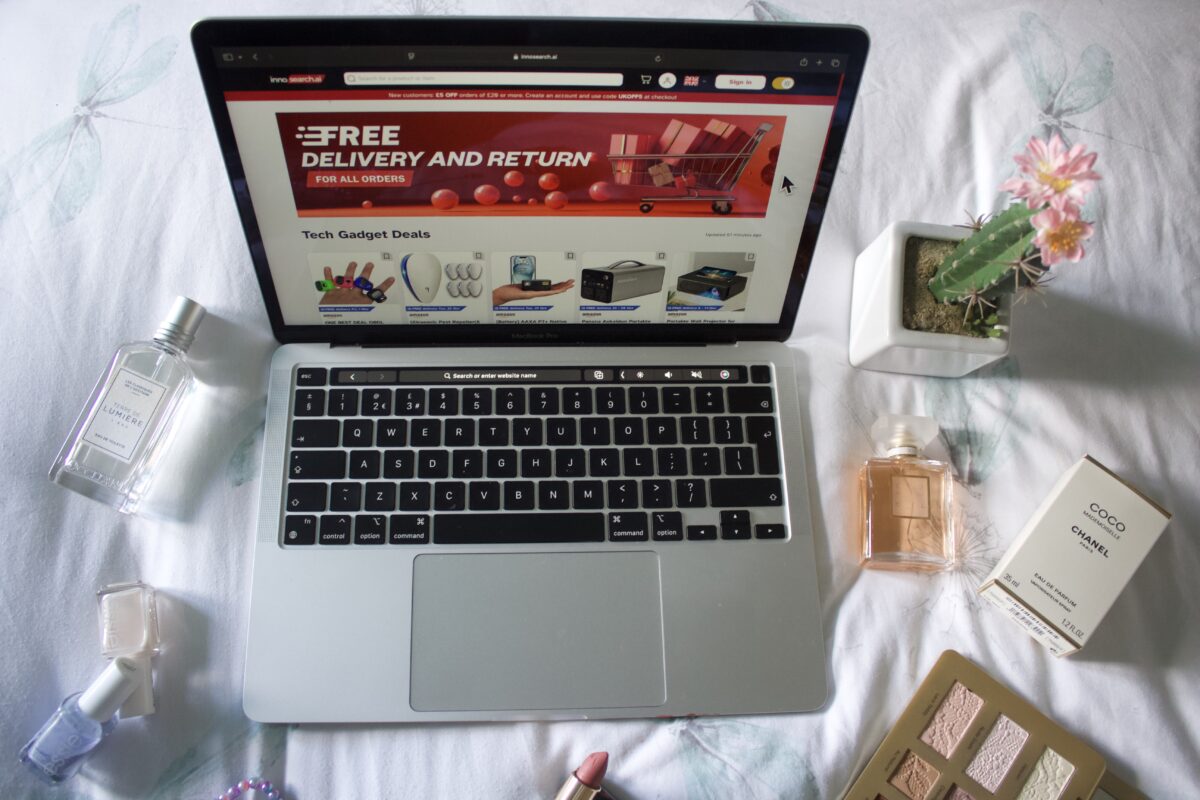
*This post is a paid for partnership with Innosearch but all opinions are my own.
It’s no secret that the world is in its ‘AI era’ and whilst I might have my reservations about the advent of AI technology, I can’t deny some of the perks it brings to my life as a vision impaired person, especially when it comes to certain apps and devices possessing the ability to generate detailed image descriptions and translating printed text into the spoken word.
It’s safe to say, then, that I was intrigued when the team over at Innosearch got in touch, asking if I’d be interested in testing their platform.
As someone who loves to shop and spends a lot of time, and money (oops), doing so online, I’ve become well acquainted with the barriers that exist on e-commerce platforms and have had one too many experiences in which lack of accessibility has turned my custom away. So when Innosearch landed in my inbox with a promise of an accessible shopping experience, I headed straight to the site when it recently launched here in the UK.
Let’s talk about the experience.
What is Innosearch?
First things first, *Innosearch was founded by Bryan Vuong and Patrick Long, two passionate innovators in AI and technology. Their combined experience in AI, machine learning and scaling tech ventures saw them joining forces to identify an opportunity to create an inclusive shopping experience and envision a platform that would couple cutting-edge AI with a mission for accessibility.
Enter Innosearch.
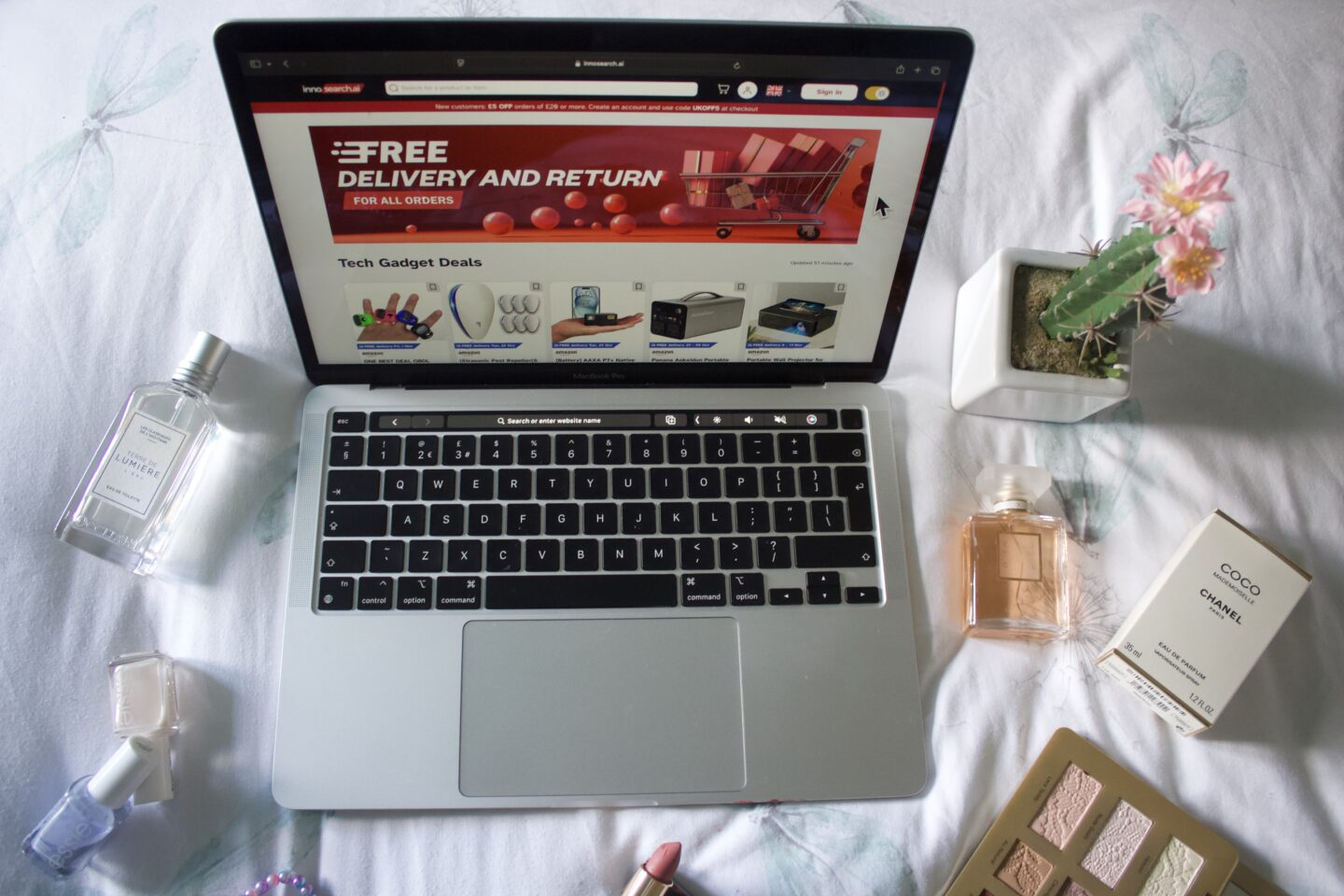
Innosearch is an e-commerce platform which aims to make online shopping more inclusive and enjoyable for those with access requirements, vision impaired people in particular.
The platform offers millions of products and deals from a myriad of retailers which makes it easy to shop some of your favourite brands and products all in one place.
Shopping as a vision impaired person
For some context, let me give you a little background into my usual online shopping experience before seeing how this new platform compares.
Whilst I like to shop, I can’t say that I always enjoy doing so online due to the inaccessibility that’s rife on websites. I’ve never had a fully accessible online shopping experience so my quest to purchase anything, whether it be the weekly food shop or a new addition to my wardrobe, is always veiled in dread as I anticipate what barriers will be waiting on the other side of the link.
A lack of commitment to accessibility from brands often denies me the opportunity to shop independently and with confidence, and means that they are all too often segregating their disabled customers.
So to preface this review, I just want to say that whilst the existence of platforms such as Innosearch are fantastic to remedy some of the frustration we feel when shopping online, it should be no excuse for brands and websites to dismiss the opportunity to make their own platforms accessible.
Putting accessibility at the heart of your website and social media content will always be the best way of welcoming disabled people into your customer base. From my experience, Innosearch is a great example that accessible shopping is possible so take note, retailers, you can make the commitment too.
Now for the review.
Putting Innosearch to the test
When I first visited the platform, I was pleasantly surprised to find that all buttons were labelled, making the process of creating an account straightforward. The platform’s landing page is home to the best deals of the moment and preserves a space for some bestsellers.
The search function was one of the first things I found and I made quick time in putting it to use.
For the sake of staying authentic to the Swiftie in me and keeping my exploration of the site slightly more interesting than looking for the laptop charger I actually need to buy, my first search was for a Taylor Swift vinyl record.
Results loaded in seconds, populating the page with options from retailers such as Amazon, HMV, WHSmith and more.
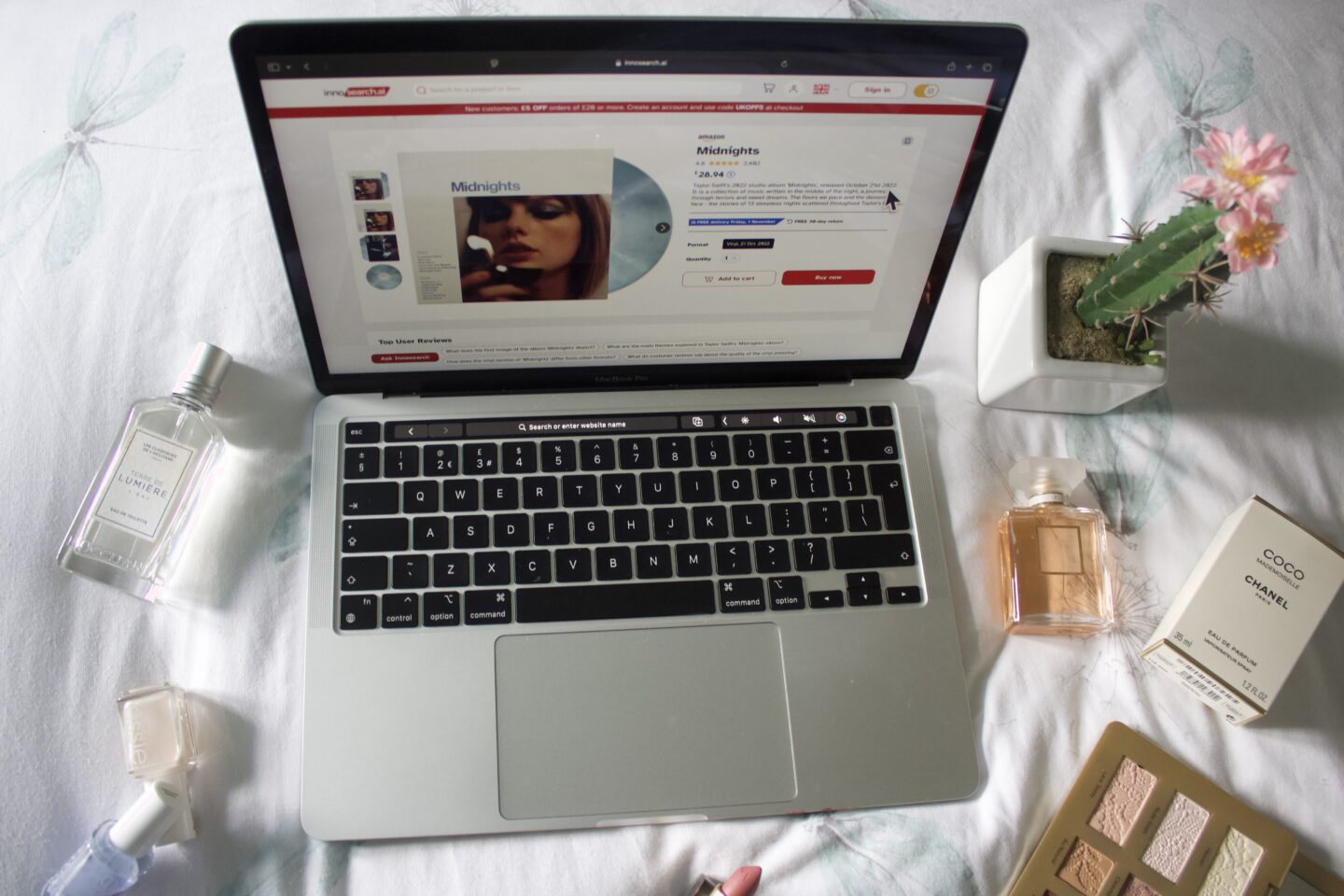
The page was streamlined and devoid of any clutter with no place for any of the usual culprits that provoke an inaccessible shopping experience; no ads, no pop-ups, no animated banners.
It was refreshing to click on a product and to be met with only the essential details, and for all of it to be read by my screen-reader of choice.
The only information that was displayed on the page was the product images, information and some of its top reviews with nothing like a ‘recommended products’ section separating you from the information you want to get to.
As I was navigating the page, I also came across the ‘Ask Innosearch’ button which handed me some autonomy in discovering some further details. It came in particularly handy when I did an Elin and searched for some clothes later in my tour of the site. I asked the AI assistant to describe the item in the photos for me and it returned with a detailed description which is rarely available on fashion retailers’ websites.

When I did eventually conquer the procrastination and entered the keywords for a new laptop charger, the ‘Ask Innosearch’ function was useful again in answering my question of what devices the charger was compatible with.
As a screen-reader user, skim-reading is non-existent in my world which means that I usually spend a lot of time reading irrelevant details about a product, so this feature was a definite favourite due to its capability to retrieve the information I needed in a matter of seconds.
Having decided on the product I wanted, adding it (and only it – I was good), to my cart was a simple process and so was completing the purchase. I always feel a little hesitant about the privacy of payment when it comes to deal websites like this but it is all process through Stripe which I’ve used many times before so that dulled the worry I had there.
Despite this purchase being from Amazon, it’s important to note that Innosearch is completely separate from your Amazon account but you can still receive Prime-like benefits with the free delivery and returns the platform offers.
Often, the most overwhelming part of shopping online as a vision impaired person is the varying levels of accessibility on different websites. I’ve lost count of how many times I’ve had to abandon my search on certain platforms due to their inaccessibility, whether that’s because links are not labelled or there are one too many pop-ups for my screen-reader to contend with, it can be an extremely time-consuming, frustrating and exhausting process.
It’s handy then to know that I could turn to Innosearch for a much smoother shopping experience that doesn’t test my patience. Having options from different retailers all in one, accessible place is certainly a gamechanger and makes shopping independently as a vision impaired person a reality.
Have you tried Innosearch for yourself or are you intrigued by the platform’s concept? Please also feel free to share your personal experience of online shopping as a vision impaired/disabled person and what you think retailers need to do in order to improve accessibility, an inclusive experience is a basic right and it’s time for brands to realise the value of their disabled customers.
Thank you to Innosearch for teaming up with me for this post and, more importantly, for showing a commitment to accessibility that should be adopted across the board. I’d love to hear your thoughts if you decide to try the platform for yourself.
Happy shopping!
Elin x
Share this:

Discover more from My Blurred World
Subscribe to get the latest posts sent to your email.
You May Also Like