There’s something jarring about trying to do something as simple as making a dinner reservation, only to be stopped in your tracks by an inaccessible website. It’s the kind of thing that doesn’t seem like a big deal until it happens over and over, until you realise that the barriers never end.
It might seem like a minor inconvenience to many, but moments like this one serve as constant reminders that the world wasn’t designed for disabled people like me. They’re part of the invisible hum that surrounds everything we do. The buzz of inaccessibility, error tones, unlabelled buttons, alt-text absences, pity-induced touches, and stereotype fuelled interactions. It’s a quiet tension threaded through the everyday. An ever-present background noise.
It’s not the buzz of traffic or bad music in a café. This noise is social static — a frequency that insists I stay alert to society’s next exclusionary move. .
Sometimes it sounds like my screen-reader battling with an inaccessible interactive map which prevents me from purchasing concert or football match tickets, a medical professional directing questions about me to my mum who, in her words, is only there as a glorified taxi driver, or whispering my PIN aloud in a crowded place because sleek new card machines are touchscreen and therefore very inaccessible.
Other times, it shows up in the subtleties of the mundane: Streams of social media posts with no image descriptions, inaccessible forms and letters, some sort of CAPTCHA purgatory that asks me to identify bikes or zebras I can’t see. Things the world expects me to engage with, even though it never pauses to ask if I can.
That’s the thing about background noise. People don’t realise it’s there unless it affects them. To me, it’s constant, a kind of societal tinnitus that says: You can be here, but only if you work harder than everyone else. Only if you guess better. Only if you keep solving a maze they don’t even realise exists.
I’ve been living with this hum for as long as I can remember. It’s not just the occasional glitch or misplaced comment, it’s a constant, invisible friction that stretches across every part of my life.
Being disabled often means enduring a rigmarole of tasks just to access or be included in something. It’s requesting alternative formats, flagging accessibility issues, completing an endless number of forms to receive the most basic support, asking for accessible tickets to events, and often having to prove that I am, in fact, disabled to justify the request. Then comes the work of sourcing that proof, and having to do it all over again next time.
This, my friends, is what I call disability fatigue.
It’s not just about being tired as a result of my condition, it’s the emotional, mental, and physical exhaustion that comes from the effort to fight for access, to educate, to explain, to adapt.
And it’s cumulative. The more barriers I encounter, the more weight I carry. The hum persists as I memorise layouts, develop strategies, and rehearse how to assert myself in situations that don’t account for me.
The control and the ability to choose where to focus my energy is often taken out of my hands due to inaccessibility and inequality.

That dinner reservation I mentioned earlier was made at the tail-end of a week already marked by frustration, fatigue, and an overwhelming sense of injustice. Days before, the UK government had announced devastating proposals to cut disability benefits, and I’d been working overtime – writing press releases, sharing social media posts, and using my own voice as a disabled advocate to counter a wave of misinformation.
It was natural, then, that I was after a little escapism from it all, and a catch up with a friend over delicious food would do the trick. But being denied the opportunity to make the booking independently felt like a glaring exclamation mark, punctuating the reminder that accessibility, and disabled people, are so often an afterthought.
Months of campaigning ensued after that announcement back in March. Our community showed up in letters, in protests, and across social media. We poured our energy into pushing back, even when many of us had very little left to give.
And yes, eventually, some parts of the proposal were dropped. A win, absolutely. But It shouldn’t have taken a massive, coordinated effort just to stop harm from being written into law. We shouldn’t have to fight this hard just to hold on to what little support we already have. And yet, we did, because we had to.
That fight wasn’t an exception. It was just one more round in a life that too often feels like a never-ending battle for basic inclusion, dignity, and understanding.

I’m on low power mode more often than I’d like to admit, a drain that happens at the hands of society’s mindless scroll through misconceptions, and how it constantly swipes left on any suggestion of inclusion.
There’s also a persistent loop of questions circling my mind, often relating to navigating society or social situations:
‘Will the train assistance turn up?’
‘Who is this person I’m talking to?’
‘Are they speaking to me?’
‘Which way did I come into this room?’
I’m sure this sequence will be familiar to fellow vision impaired people, those who also face constant sensory demands, whose minds work overtime to digest and interpret information, and navigate so many unknowns.
For me, the hardest part about background noise is convincing other people it exists. Subtle discriminatory comments are brushed off as ‘banter’, inappropriate questions are dubbed as people ‘just wanting to learn’, and access failures are interpreted as minor inconveniences rather than something that excludes us.
I come across so many ‘shruggers’ in my day-to-day life, those who don’t digest my explanations about the barriers that exist, or dismiss my comments about inaccessibility. They’ll often retort with an indifferent ‘Oh, we didn’t know,’ as though the absence of awareness lets them off the hook.
Some don’t even shrug; they just prompt a workaround. ‘Maybe a friend could help you.’ A suggestion that reduces my independence to the level of their stereotypes.
These responses also carry an unspoken message: You are the one who must adjust. Not us.
Little do they know that ‘adapt’ has become my unofficial middle name. You’d be surprised at the sheer volume of techniques I have in my arsenal to mould my own sense of inclusion in this world. And yet society continues to demand I go that one step further, while failing to examine its own responsibility in removing barriers.
I don’t want to paint everyone with the same brush here, though. When a system has failed me, so many people have offered a hand in easing the isolation that presents itself in that moment. I’ve had random members of the public offer to guide me on and off trains when passenger assistance was a no-show, colleagues who have sat with me to navigate inaccessible software, and friends who are constantly reading restaurant menus out loud when the online versions are only available as PDFs.
I’m incredibly grateful when people do step in, and genuine support from others often soothes the sharp edge of inequality. But help that only works once, or systems that only welcome you when someone else is present, isn’t help that lasts. It’s a plaster over a cracked foundation and means I’m still not part of the structure. I’m just someone lucky enough to know someone on the inside.
Worst of all is the idea that accessibility is a favour. That it’s something extra. Something to be grateful for. Something that should be celebrated even when it’s partial, delayed, or broken.
Accessibility isn’t a feature. It’s basic functionality. It’s what makes participation possible. It’s the right to do what everyone else does, without needing to explain or justify your needs, or prove that you ‘qualify’ for the adjustment.

I find myself moving through disability fatigue every day. I guess what “button. no label” probably means based on where it’s sitting on a website. I do practice runs before I shop for something time-sensitive. I send emails with a tone I’ve perfected: kind, helpful, tired.
“Hi, just flagging that this isn’t accessible for screen reader users, here’s a resource that can help… thank you.”
Thank you. I thank them for systems that broke, and thank them again when they say, “We’ll look into this,” and disappear. It’s a peculiar kind of diplomacy, this skillset we build. Navigating between being excluded and making the exclusion palatable enough that someone might fix it.
But sometimes, sometimes, someone listens and the noise cuts out.
I was beside myself when I was able to book Sam Fender tickets independently online with no inaccessible interactive map to block the way. (It turned out to be a one-off, but that’s another story.)
My fashion-loving heart lit up when I scrolled a favourite brand’s website and heard ALT text descriptions detailing each ensemble in a way that transformed the shopping experience for me. It wasn’t the best news for my bank account, though – inclusion may not cost society much, but apparently it does for me.
And I felt liberated exiting a couple of recent medical appointments because, finally, the staff spoke to me as the adult I am, not through someone else, but directly, without a trace of pity or preloaded assumptions.
These are small moments of autonomy that everyone should have a right to, but are so often denied for disabled people.
When they do occur, it feels like someone has turned the volume down on the world. They’re moments I can exist within completely without fighting inaccessibility, challenging the stereotype people are operating under, or attempting to rewrite the script they’ve written about me before I arrived.
I’ve come to think of access as this invitation to quiet. A moment where the background noise goes still. A space where I’m not explaining, troubleshooting, or guessing. When I’m not justifying why I’m here, I just am.
And in those moments, something shifts. I can think about the event I’m going to, the dress I’m ordering, the game I’m about to cheer for. Instead of wrestling the interface, I get to experience the thing it’s supposed to lead me to.
And that is the part most people forget.
Accessibility isn’t just about getting you into an event, a form, or a website. It’s about what lies beyond it, and whether or not you feel included once you get there.
Disability fatigue is aggravated by so many factors and often, they’re not cruel, they’re not intentional. It’s people trained by stereotypes they’ve never been asked to examine:
That disability equals dependency.
That someone with a health condition or impairment won’t turn up.
That all conditions are visible.
That accessibility is about stairs, but not language.
That disabled people exist to be cared for, cured, or congratulated.
Sometimes, the weight of these ideas settles over you like a blanket, not the lovely, cosy kind that swaddles you in the depths of winter, but the kind you want to throw off your body on a too-hot summer’s night.
Its heaviness is often enough to shape your posture, to shrink you at the edges, and yet you move forward.
I attend the meetings. I take the train. I show up to places where I don’t feel as though I belong.
The background noise is ever-present, but when someone cuts through it with simple, deliberate recognition, I remember what it’s like to exist in quiet.
Not to be fixed or doubted. Just seen, heard, included, and maybe, to feel a little more energised.
Is disability fatigue something you can relate to? I was quite hesitant to put this piece out there as I never want my thoughts to be misconstrued as negative commentary, but I also know how powerful it can be when someone else gives voice to something I haven’t been able to find the words for, so I hope some of you feel seen in this post. Sometimes it’s important to name the noise before it gets louder — that’s always my aim here. And if even one moment of relatability helps quiet the hum for someone else, then it’s worth it.
Share this:

Discover more from My Blurred World
Subscribe to get the latest posts sent to your email.
You May Also Like


The Comments
Geraint
A great piece as always Elin.
Sgwennu gwych fel bob amser Elin
Elin
GeraintDiolch am ddarllen!
Malcolm Short
I work in a respite care home for people with multiple profound disabilities and we suffer the same issues when we out in the community,it’s very to go somewhere where we can feel included and not shoved into a corner out of the way it’s very sad to see the way people treat others hopefully things will get better soon
Elin
Malcolm ShortIt’s frustrating that we’re still facing the same inequalities that have existed for so long. There are so many people out there fighting to change things though, no matter how tiring that can be sometimes. Thank you for reading.
Eileen Marston
Hi Elin,
As a woman who was born with a visual impairment (bilateral nystagmus) I find your posts very insightful!! I work as a Nurse and enjoy writing articles for journals and blogs on various topics(including disability in the hope of raising awareness and understanding of the issues we face. Over the years I have resonated with your world in many aspects. I love your style of creative writing, and word choices which depict beautifully the depth of reality in your stories.
Keep writing!
Eileen x
Elin
Eileen MarstonThank you so much, Eileen! I’m so glad to hear you enjoy reading my posts. I’d love to read your writing too, it’s always so interesting to hear about other people’s experiences x
Bruce Payne
Thankyou Elin for such an eloquent detailing of the personal struggles of yourself and many many others with various forms of disabilities. I started to read your column when my wife lost virtually all vision in her eyes before eventually passing away a year later. Your columns were a tremendous help to me in thinking about and reconciling certain things that were suddenly thrust upon us. After reading this latest column I am hoping you have that certain special someone in your life to be there for you as you navigate through this life. You deserve the best. I can easily tell you have a beautiful Spirit.
Elin
Bruce PayneThank you, Bruce. It means a lot to know that my posts were helpful to you at that time. I’m sorry to hear about your loss. Thank you for taking the time to read and comment.
Patricia Ahern
Hello Elin,
Yes, it is wearying to deal with all those web issues. I too, am thankful for the little things, the times when I can make my way around the internet.It’s often a game of catch-up since things change so quickly. Keep up the good work and good advocacy. All best to you, nice to hear from you again. Peace, Patricia Ahern
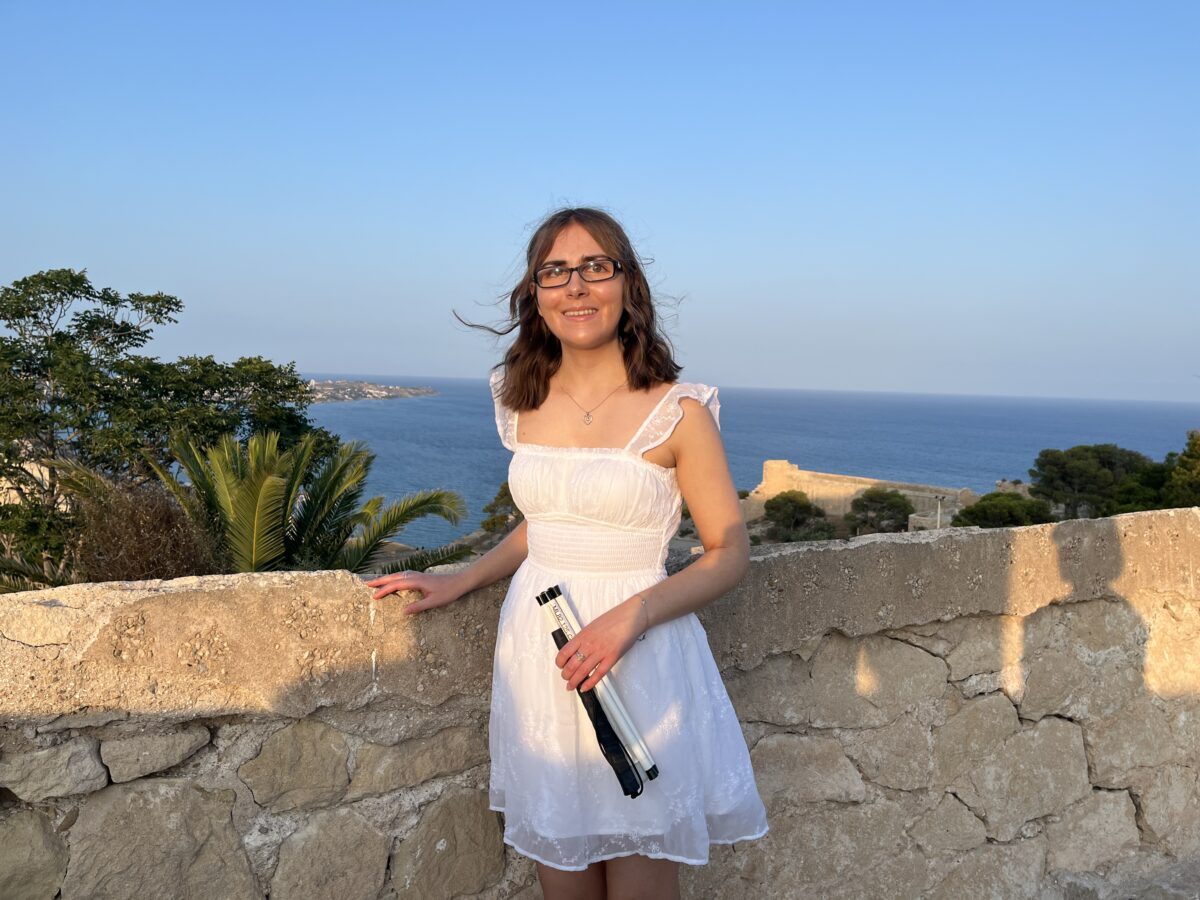
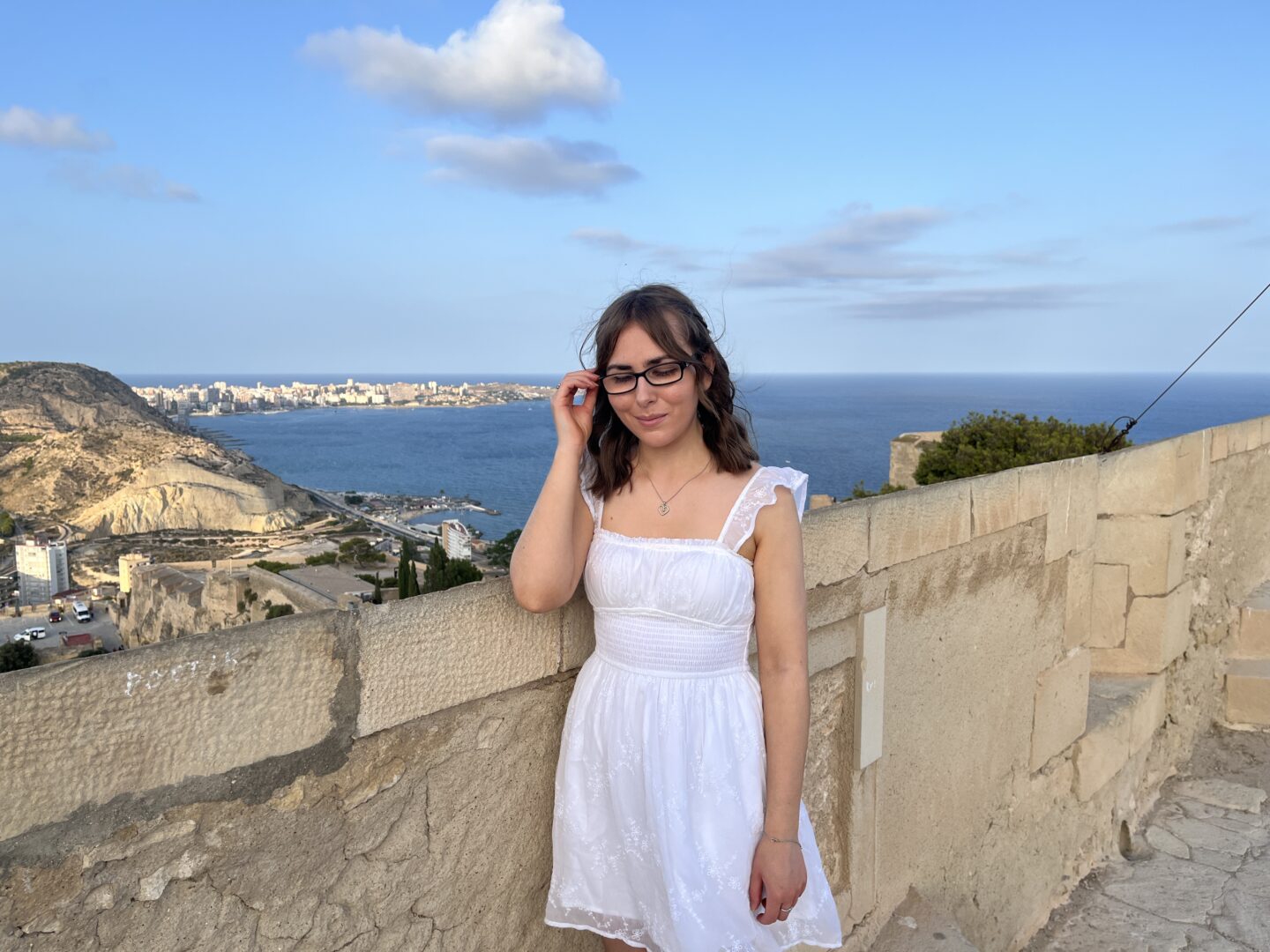
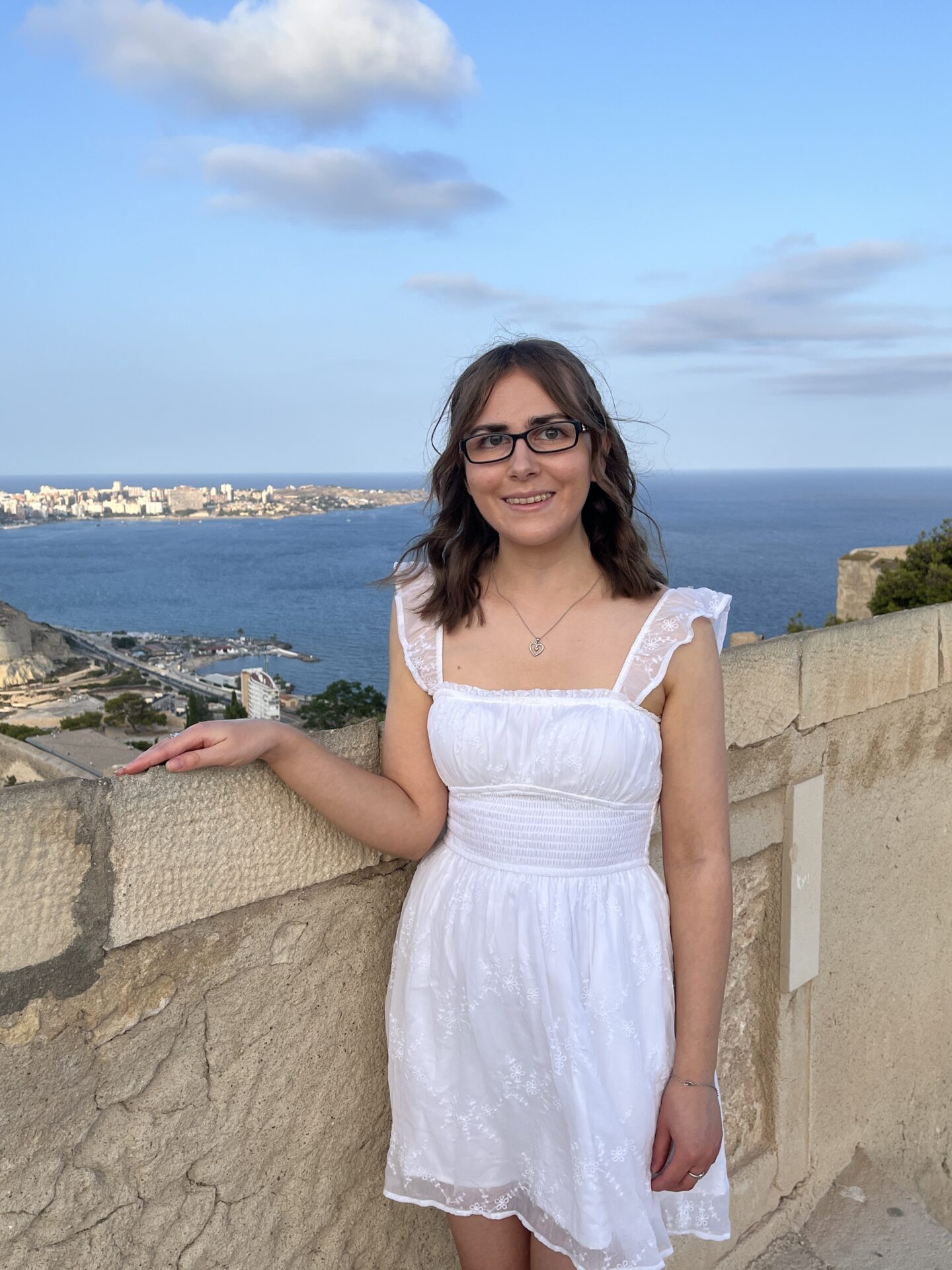
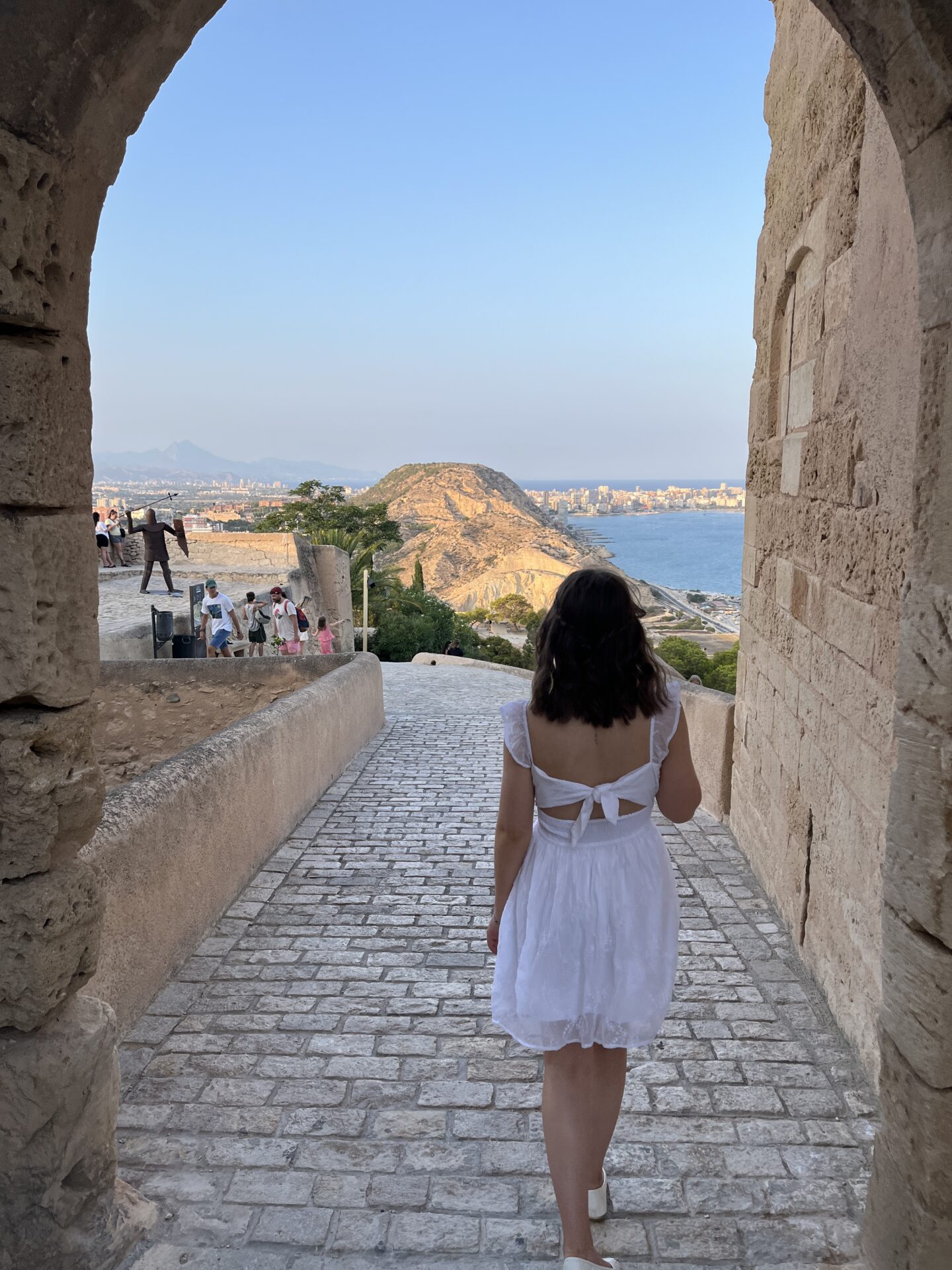
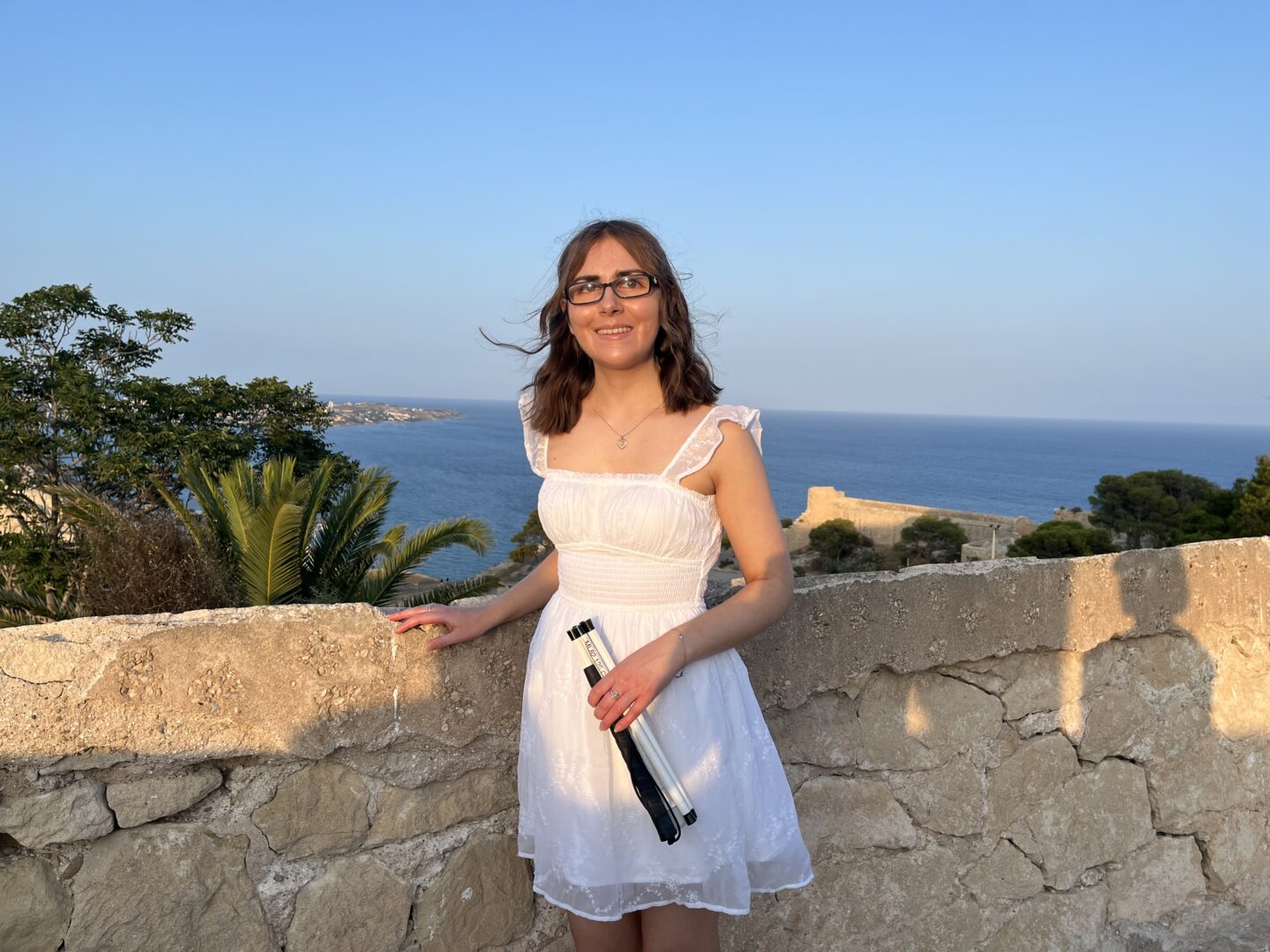
P. S. Where is this lovely place in your picture?
Elin
Patricia AhernThank you, Patricia. That’s the tricky part about navigating the online world sometimes isn’t it, once you’ve found your way around a site, it’s all changed the next time you visit! We’ll definitely celebrate the small wins though. These pictures were taken at Santa Bárbara Castle in Alicante. Thank you for reading as always.
Andy Nichols
Having spent a lot of time this weekend trying to sort out how to access my autistic son’s computerised homework, I can fully sympathise with you. I am retired and behind with technology now and am thinking about ditching it.
The world is getting worse and more dangerous due to the ridiculous reliance on it.
Your blog couldn’t have come at a more appropriate time. Thank you.
Can you email me a copy please? I would like to forward it to silver voices whom campaign for those over 60. Many of the members suffer with technology. It is a good example of how people struggle and so this would be useful back up for campaigns.
Many thanks.
Elin
Andy NicholsTechnology is great when it works, right? I can definitely relate to the frustration you feel, there’s a lot to keep up and contend with. I’m glad my post provided some level of relatability for you. Thank you for reading.
Empish
Thank you! Thank you! this post was awesome. Well said and I agree. I find that when I deal with disability fatigue I have to pick and choose what to deal with. This is happening more and more as I get older.
Elin
EmpishI can definitely relate to that. Thank you for reading!
Holly
This really resonated with me, and I’m sure others as well. This post is definitely a comfort when that disability and accessibility fatigue hits hard xxx
Elin
HollySending solidarity, always xxx