
Something you might not know about me – but you will absolutely gage through some of the content I want to write this year – is that I am a bookworm, through and through. The literary world is one of the places I turn to for escapism, enjoyment and education.
My younger self loved to be whisked away to fictional worlds that were devoid of any prejudice or misconceptions, but there was always something quite unnerving about that too. In what way, do you ask? Well, representation wasn’t rooted in anything I was reading which meant that I wasn’t seeing myself amongst the pages.
Books are often celebrated for the insight and distraction they can offer. Some afford us a window view into other people’s existence, whether fictional or not. But when the view from that window is the same, day-in-day out, it begs the question of what newness remains to be seen?
I’m always parroting the fact that I turned to the internet in search of stories from other vision impaired people when I was a teenager, but I longed to see that representation in the books I was reading too. I wanted to read stories that went beyond the statistics, and a narrative that reassured me that I wasn’t alone.
My online reading became a lot more diverse thanks to the advent of blogs; I came across other disabled people who were sharing snippets of their lives, as well as being exposed to stories about race, gender, sexuality and class.
I’ve profited in terms of knowledge from reading these experiences, and I’ve been able to grasp the fact that I’m not alone in terms of the challenges, the prejudice and the misconceptions I come across as a disabled person.
But discovering that representation on the bookshelf was another story – pun absolutely intended.
This concept of representation has played on my mind for a while now, so I want to delve into it a little deeper today, and discuss why disabled people deserve a place on the bookshelf.
Many do sit there already, of course – There are some incredible disabled authors out there. This is just a little ode to why that representation needs to be amplified and celebrated even more.
WHY WE NEED MORE DISABILITY REPRESENTATION ON OUR BOOKSHELVES
SEEKING REPRESENTATION WHEN I WAS YOUNGER
I think that the narratives we’re exposed to as children can have a lasting impact on how we view the world.
I catalogued a lot of misconceptions and microaggressions that I came across as a child, and somewhat believed them because I didn’t have any positive representation of disabled people to prove me otherwise.
I recently came across one of the short stories I penned when I was younger. Goodness knows how old I was when writing it, but given the errors that were peppered throughout, I’m guessing it would have been when I was on the periphery of my final days in primary school.
It struck me when re-reading the premise that I clearly extracted elements of my own life in order to create my own unique sense of representation.
Disabled characters made many appearances in the stories I poured my passions into. Whilst some of the storylines were characterised by an urge to highlight preconceived ideas and misconceptions, others saw disabled protagonists simply bundling through life; the words were laced with teenage anecdotes as my characters deciphered their path, and some of the plots were warmed with the familiar gravity of childhood friendships.
So, whilst my characters’ impairments didn’t overwhelm the pages in every plot, I was writing disabled characters into my stories, essentially creating the representation I was so desperate to see at the time.
I think my main agenda through doing this was to prove that, just like in the real world, we are here as disabled people; a part of life, a part of society, and that should be reflected in the books we read.
Disabled people deserve honest and positive representation in literature, as authors and as characters, but it’s not often that we’re exposed to those narratives. None of the set books I read at school had any disabled characters which only magnified my concerns that I was the only one. It meant that the chasm of underrepresentation and misinformation swelled into a larger space.
When I did come across a disabled character in a story, they were often on the periphery of the plot, placed in the background, seeking help or receiving pity.
This is why disabled characters need their own agency.
Disabled people need to be added to the stories in an authentic way, not only to show young disabled people that their lives and their stories matter, but to embolden the purpose we know we have.
We also can’t have one disabled character and think that’s enough, because that’s simply not what life looks like.
RELATABILITY
I think we often limit the landscape of what we choose to read based on relatability to our own lives. Perhaps we disregard other choices in favour of sticking to what we know.
But when you think about it, we’re always consuming and enjoying content that doesn’t mirror our lives in any way; whether it’s the latest Netflix series or our favourite film, there’s that one thing that lures us beyond the parameters of our own reality for a little while.
So why can’t that extend to more diverse reading choices too?
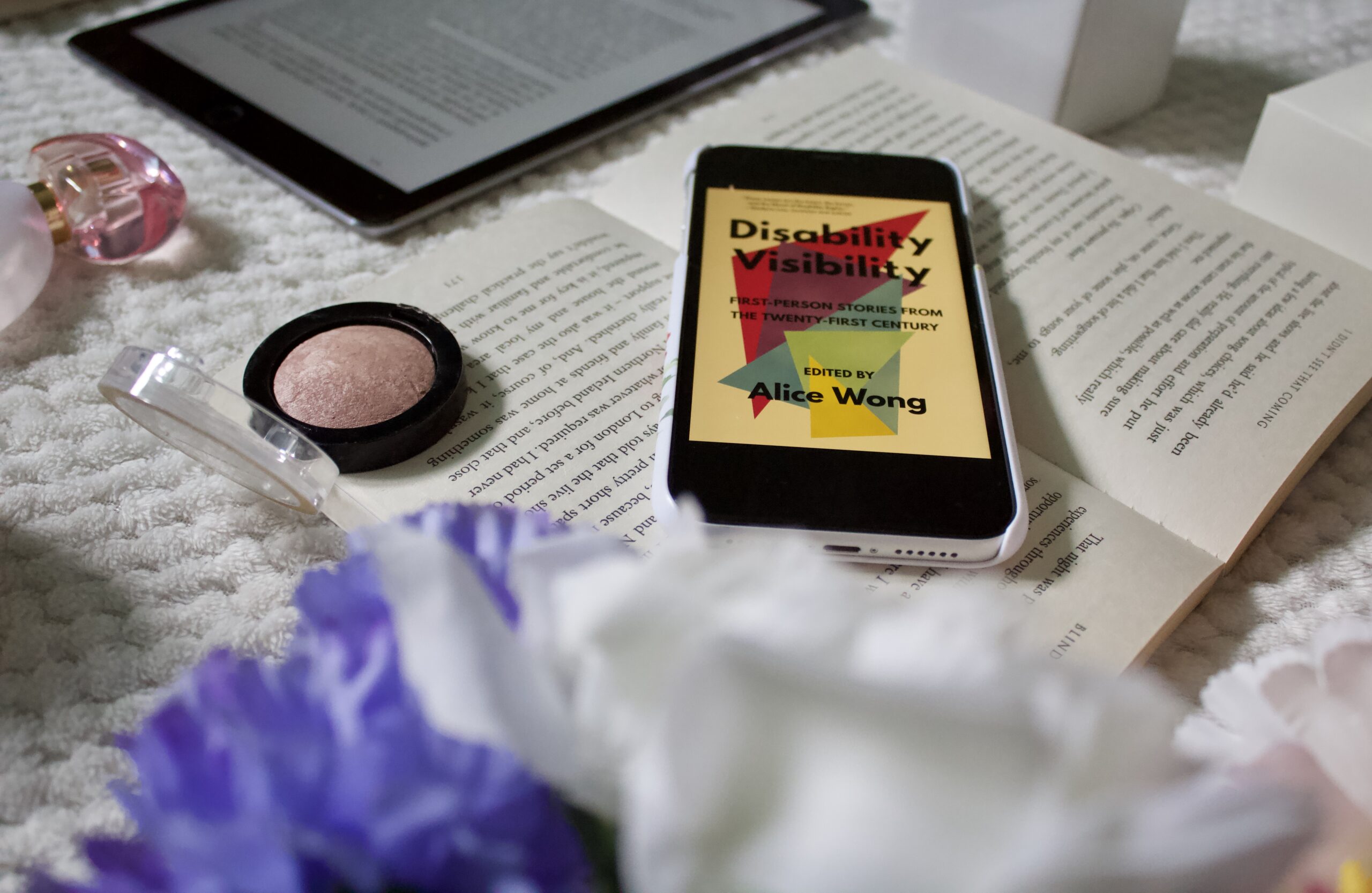
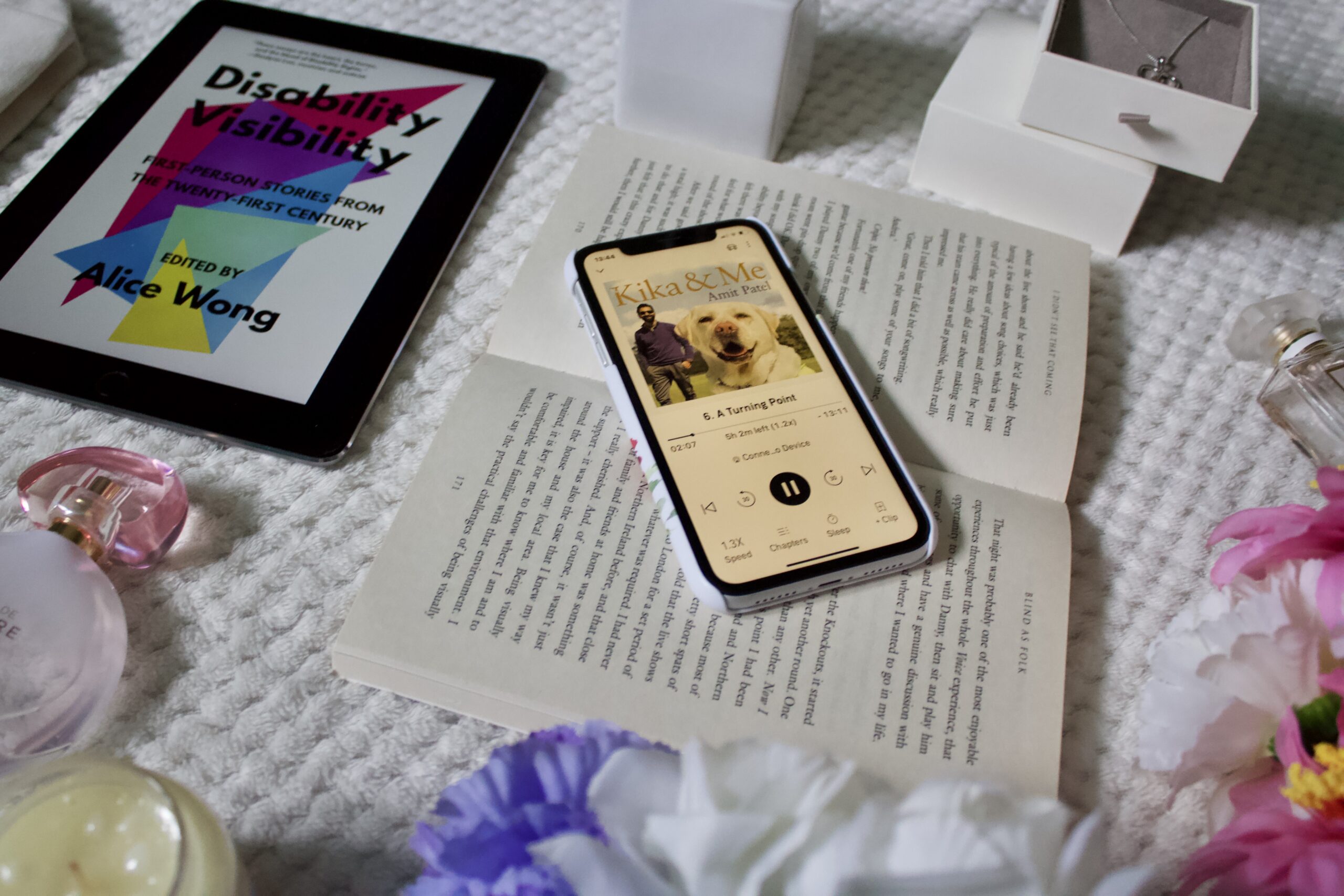
I love to be coaxed into the paradise of a fictional world that makes room for unique interpretation, but even places and characters that are dreamt up from an author’s imagination requires some semblance of reality in terms of diversity.
This is why I felt so dejected when I couldn’t find fragments of my own reality in literature when growing up. I couldn’t relate to many characters which warranted a sense of uncertainty in terms of pinpointing where, and if, I belonged.
It was worrying that vision impaired people like me weren’t incorporated into such a huge cornerstone of the way we learn and digest information.
We need to fill the gaps on our bookshelves with stories that mix fiction with the reality that disabled people exist, and to make relatability more of a reality.
EDUCATION
The only way to overcome inequalities is through education.
Books have the power to influence our way of thinking in a very unique and powerful way. Words can activate thoughts and observations we might not have considered before.
Of course, we can’t learn everything about everyone through reading a story, but we can be introduced to narratives that exceed comprehension of our own reality, something that ventures beyond the gates of our own understanding to another landscape that’s rich with voices that deserve to be heard.

I’ve definitely been able to promote my knowledge through expanding my reading horizons over the past couple of years. It’s in those previously unexplored choices and decisions that the education lies.
Through having more disability representation on our bookshelves, we create that opportunity to challenge our understanding of different experiences and invite even richer education and storytelling into our lives.
INSIGHT
I guess what this all comes down to at the end of the day is insight.
It’s so important that our stories are given a platform, and that readers are given a human insight, not an abstract one.
Disabled authors have so much insight to offer in terms of navigating the world as disabled people which creates spaces for in-depth learning and interpretation, but it should also be recognised that we have a wealth of other topics at our disposal too.
We should be welcomed to write in different genres, to create our own fictional worlds, and if those realms include disabled characters, they shouldn’t be dismissed as ‘niche’.
Books that offer insight into a disabled person’s life, whether fiction or non-fiction, needs to be celebrated on mainstream bookshelves and welcomed as something that enriches the literary landscape.

Through making space for disabled authors on our bookshelves, we can promote knowledge, insight, and a sense of allyship, and prompt ourselves to consider the privilege of choice in a world where it’s not often given to disabled people.
*
Disabled authors need more opportunities to tell their own stories. It can’t simply be picked up by spectators that don’t know the ins and outs of the narrative when there are so many people out there who can give these stories positive justice.
A platform needs to be given to the authors who have lived experience and the authentic voice to create honest and positive portrayals.
Progress is being made, of course. So, as what could be considered a rigid industry opens its doors to more diverse voices, I hope that it also makes space to accommodate more disabled authors and characters.
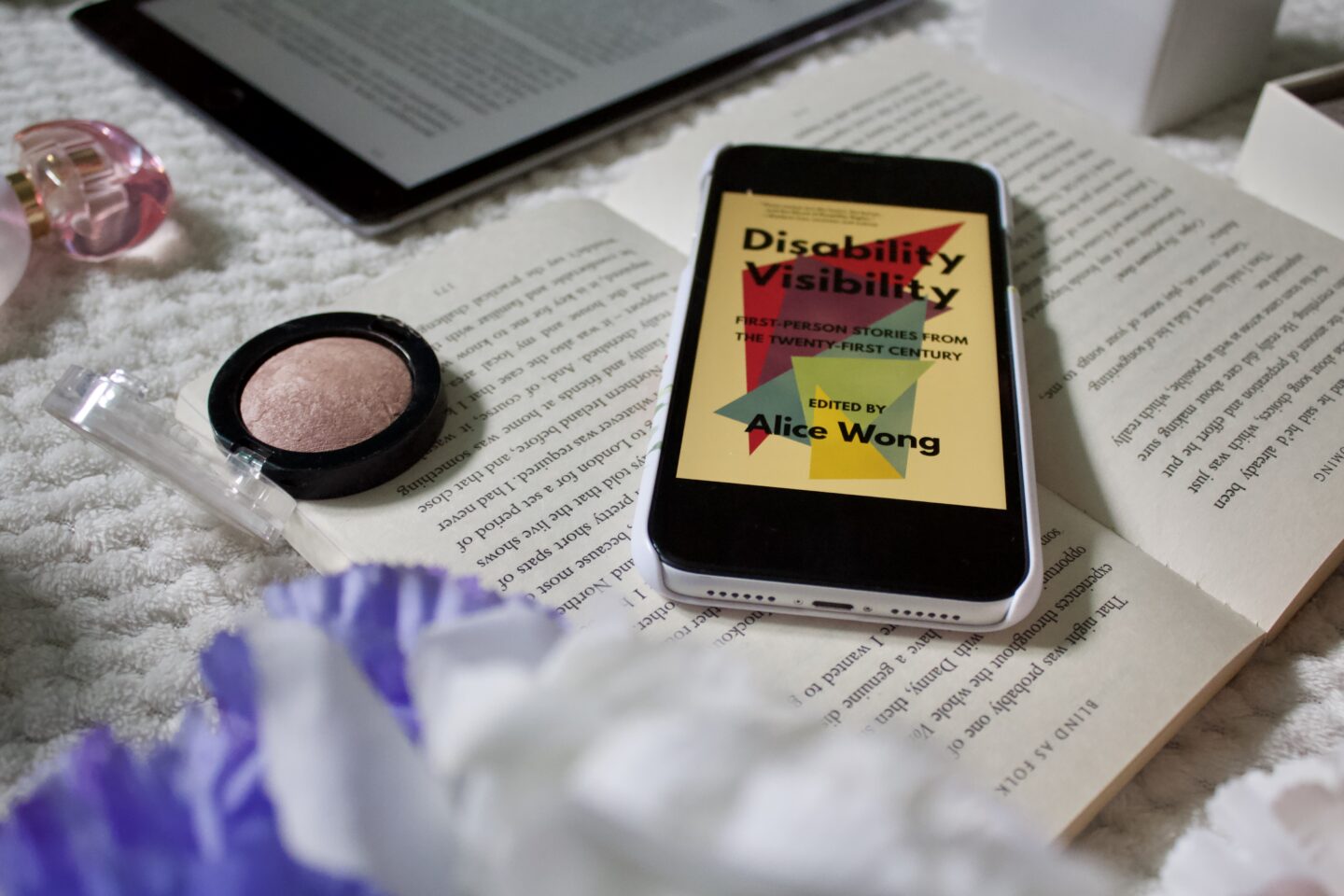
One thing is for certain: disabled people have so much to offer to the literary world, whether it’s through sharing their own experiences or creating completely fictional realms, our stories deserve a place on the bookshelf.
Through lack of representation, we tell people that they’re absent and that they don’t have a role. This is why the stories disabled authors are telling need to be publicised, supported and put out there, so people can recognise the value of what we have to say.
As disabled people, we have always had to raise our voices in a world that wears headphones to block out the sound of inequality, inaccessibility, hate and division, but society can no longer neglect the stories of people who have got so much to say.
There are some incredible stories out there already, many are on my TBR list for this year (a future blog post, perhaps?), so if you’re thinking this is all well and good, but wondering where can you start in order to build disability representation on your own bookshelf, there are some comprehensive lists of recommendations out there. Fellow blogger, Shona, shared two brilliant lists at the tail-end of last year which are well worth perusing.
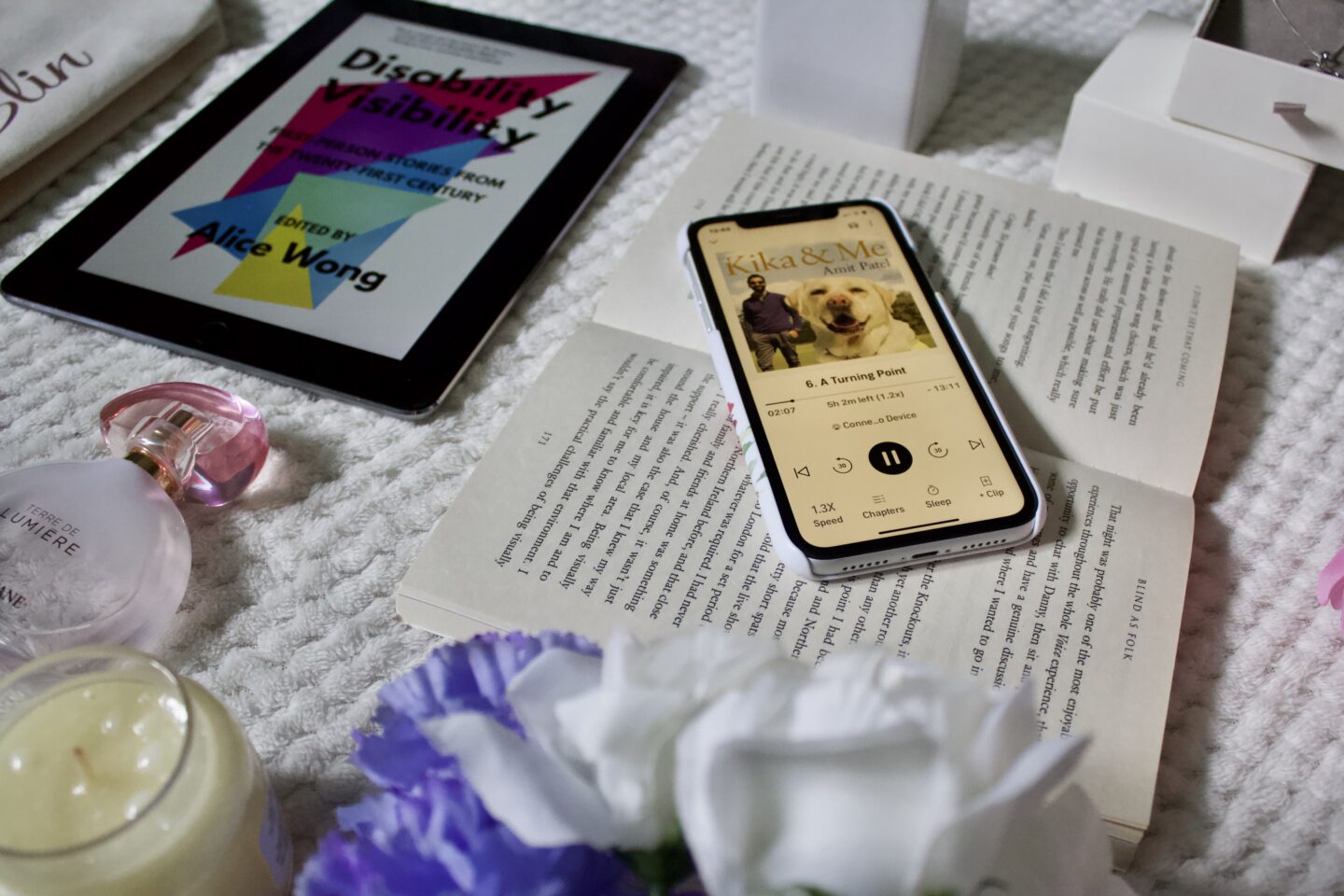
We all have a responsibility to invite more diversity, education and insight into our lives, to read stories that are guided by what has been missing, the implicit, the previously untold or considered.
By actively doing so, I’m hoping that our bookshelves, even if built up of fiction, can reflect the reality that disabled people are here, with things to say, and everyone should make an effort to listen.
We all have a story in us: those narratives shouldn’t be sidelined in favour of preserving what is considered to be the archetype of ‘normality’ or ‘enjoyment’.
The reality is this: No matter who you are, what your background is, the bookshelf and the literary world should be a place for everyone.
I’d love to know what your thoughts are on this. Do you think we still have a long way to go in terms of disability representation in the literary world? Are you actively trying to read more by disabled authors? I’d also welcome any recommendations you have, adding another to my TBR list can’t hurt.
Elin x
Share this:

Discover more from My Blurred World
Subscribe to get the latest posts sent to your email.
You May Also Like


The Comments
Joseph walugembe
And the space you are advocating should not filled by non disabled authors writing about disability
Elin
Joseph walugembeTrue that!
Empish
I am a book lover too and agree with the lack of disability representation. As one of my 2021 goals for my personal blog I created a book review category. Each month I will be writing about a book that I have read. The one you mention from Amy Wong is on my list to read and review.
Elin
EmpishThose posts sound like they’ll be right up my street! Hope you enjoy reading the book when you get to it, it definitely shines the spotlight on some really important topics. Thank you for reading.
Khushi
could not agree more with what you said.
as a fellow bookworm myself, I feel publishers need to give disabled authors space. they need to make every book available in all accessible formats. if an author comes with a query to their publisher willing to make their book available in accessible formats, publishers must unlearn the fact that no market exists for such things. because reality is, it does. there is an enormus amount of books weighting to be read and escape into, only if they were available in accessible format.
lovely post as always.
Elin
KhushiThat’s so true, Khushi. Although there have been improvements over the past few years, I think there’s still a long way to go in terms of accessibility in the publishing industry as well. Everyone deserves to experience that escape into the pages of a book! Thank you so much for reading as always x
Holly
Absolute yes to all of this, completely agree with everything you said! Disability representation is key, thank you for highlighting how important it is and the difference it can make xxx
Heather
If you’re willing to stray into animal stories, Gwen Cooper wrote the true story of her blind cat Homer in her book “Homer’s Odyssey” and the short-story sequels, as well as on her blog. He was an amazing cat. He survived 9/11, scared a burglar out of her apartment by leaping at his face with talons fully extended, terrorised the vet staff so badly that the waiting room thought there was a mountain lion in there and was subsequently banned from the vet’s office for life, and liked to sneak up silently and therefore “invisibly” on the other household cats… from the front, while they were awake. Among other things.
“One of the Lucky Ones” by Lucy Ching is an autobiography of a blind woman in China, which was very different to read because it was Eastern culture rather than Western. “Thunder Dog” by Michael Hingson is also an autobiography, this time of a blind man who was working in the World Trade Centre on 9/11.
Khushi
Heatherhey was reading through the comments on this post and these books sound so interesting! specially the China one! gonna check them out for sure. adding them to my TBR.
Khushi
http://www.blindgirlmusings.wordpress.com